



“I did all the research. I picked out the best medical alert system for Mom. I set it up for her, and I’m even paying for it. But she refuses to wear it. What should I do?” Visit any online caregiver forum, and you’ll find some version of this question. Maybe you’ve asked it yourself.
It doesn’t matter how much time or money you invest in a medical alert system if your loved one won’t use it. The reasons for resistance can vary, however, and understanding those reasons can make it easier to find a solution that your family member will actually accept.
Concern About Looking “Old” or Helpless
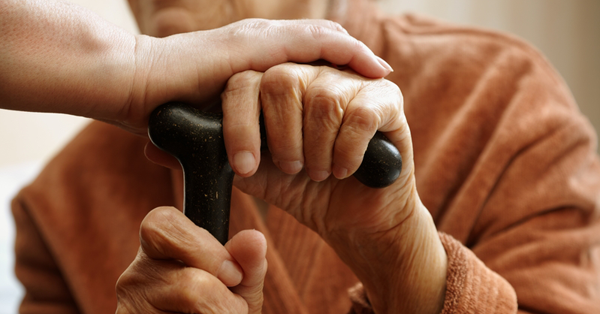
eenagers may be the only age group that actively tries to look older than they are. In a youth-oriented culture, looking young is generally considered a compliment. For many older adults, a medical alert pendant or wristband can therefore feel like a very visible sign that they are “old” or vulnerable.
They may not feel old, and they certainly don’t want to look old.
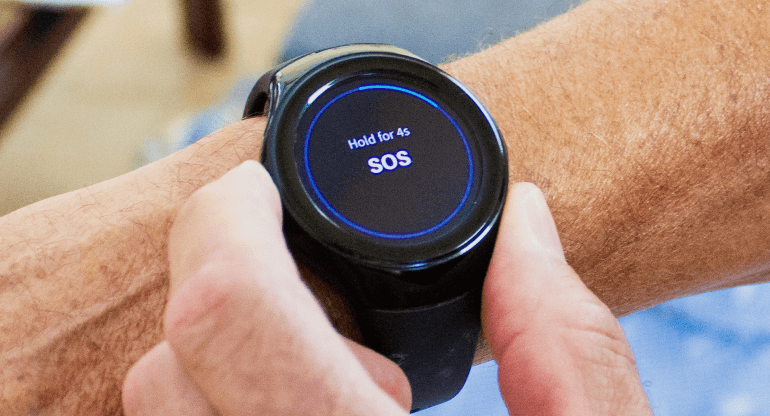
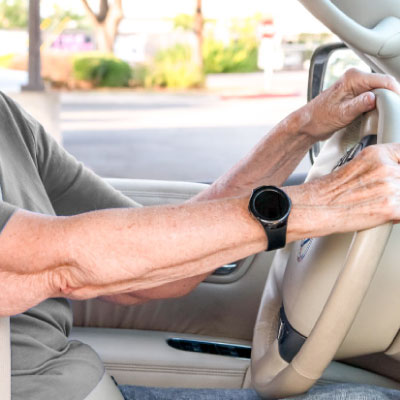
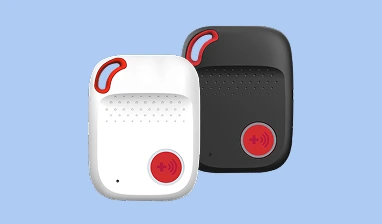
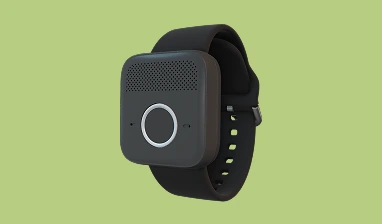
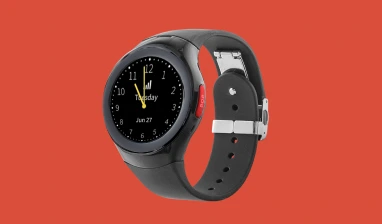
One approach is to find a device that looks less like medical equipment and more like something they would choose to wear anyway. A medical alert pendant can double as a stylish necklace; Bella Charms is one example. A medical alert smartwatch can look much like the fitness trackers and smartwatches worn by people of all ages. Some also offer features such as step counting, heart-rate monitoring and other everyday functions.
The goal is to make the medical alert feel less like a symbol of aging and more like an ordinary piece of personal technology.
“My Neighbors Are Nearby to Help”
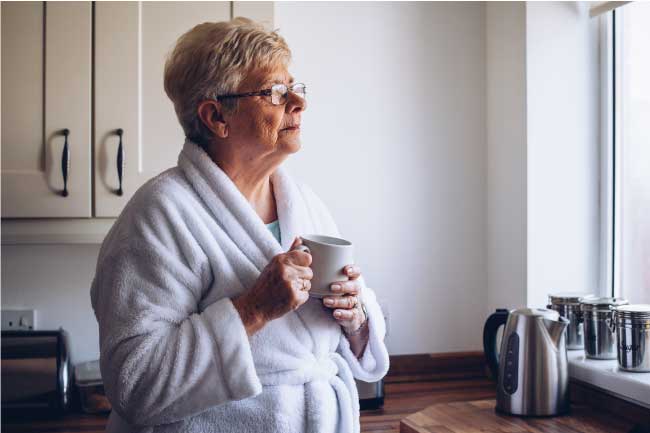
The desire to remain at home is one reason many older adults value the friendships and social connections they have built in their neighborhoods. Your family member may feel confident that friends or neighbors will be there if something goes wrong.
Those relationships are valuable, but they aren’t the same as having immediate access to help. Friends and neighbors aren’t necessarily available 24 hours a day, and they may not know that something has happened unless they happen to see it or receive a call.
Consider what happens if your family member falls in the shower and cannot get up, becomes ill while alone, or has an intruder in the home. Nobody may know there is a problem until someone happens to check in.
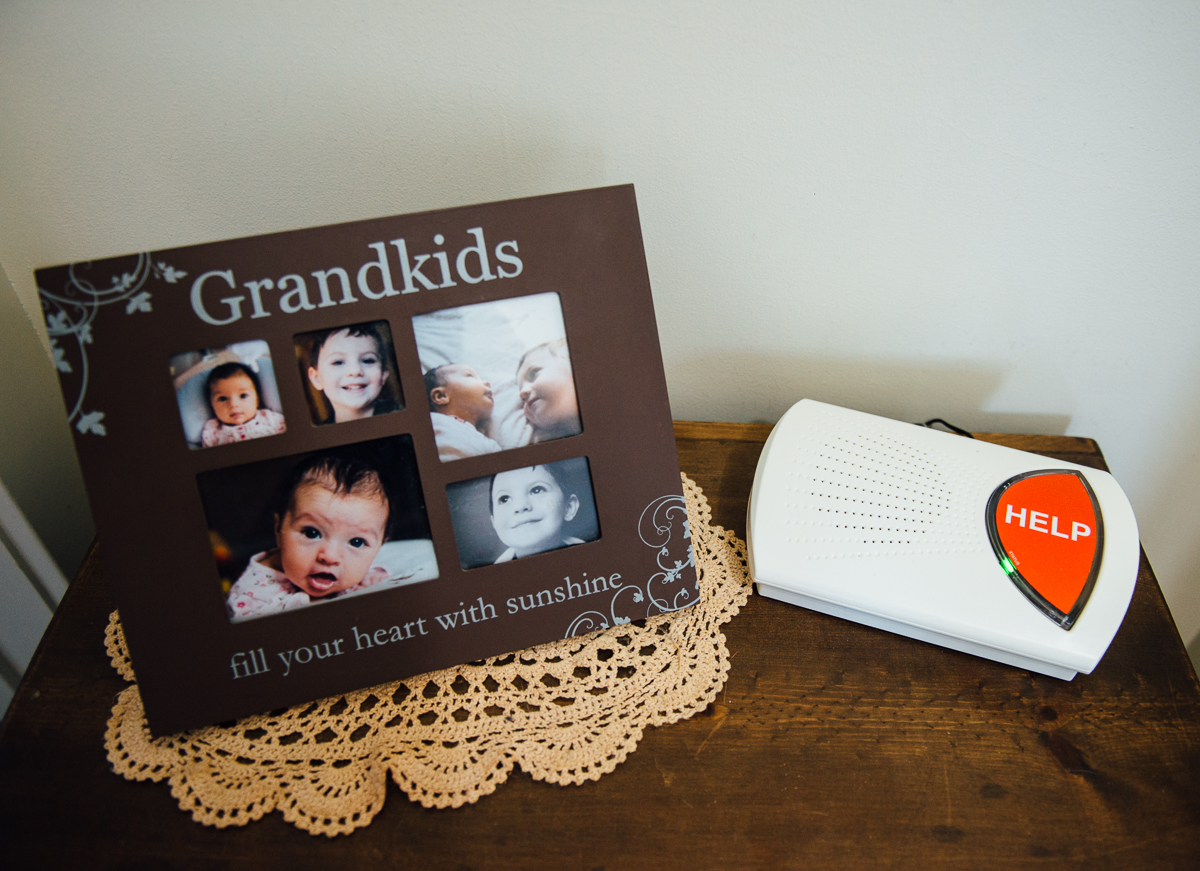
A medical alert system provides another layer of protection. With a button within reach, your family member can summon help without having to reach a telephone or wait for someone nearby to discover that something is wrong.
“I’m Healthy. I Don’t Need One.”

“I’ll get one when I need one” is a common response when a family member brings up medical alerts. From your loved one’s perspective, there may seem to be little reason to wear a device for a problem that hasn’t happened yet.
The difficulty is that an emergency rarely gives you advance warning.
Anybody, of any age, can fall at any time: it’s the most common injury that sends Americans visit emergency rooms each year – over 8.6 million visits in 2017. Senior falls are particularly dangerous, and most happen at home where we feel comfortable and safe.
This can be a good opportunity to look at the issue more broadly. Rather than simply telling your relative that they “need” a medical alert, go through the house together and look for potential hazards. Discuss ways to make the home safer for aging in place, and explain how a medical alert system with fall detection can provide another way to preserve independence.
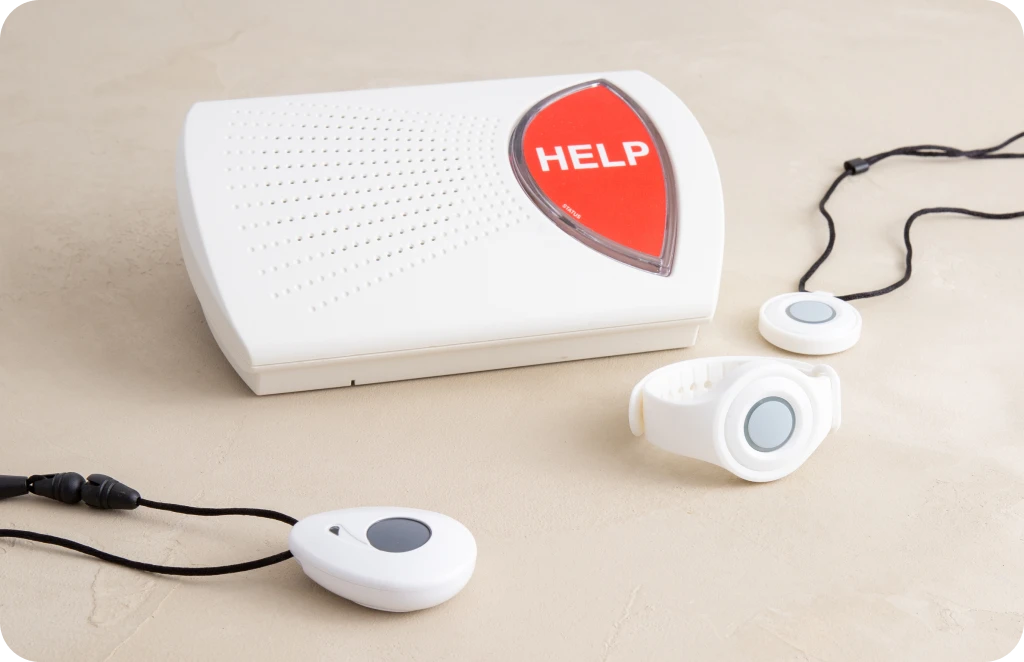
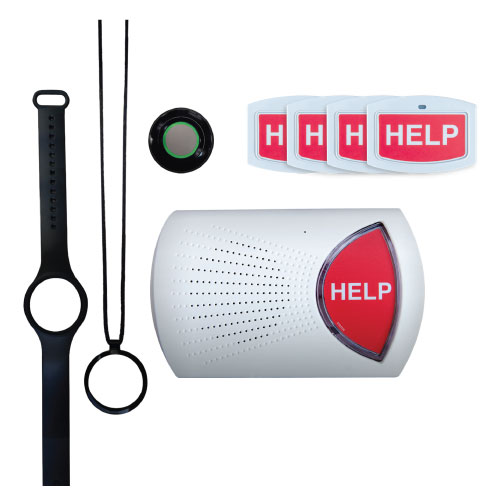
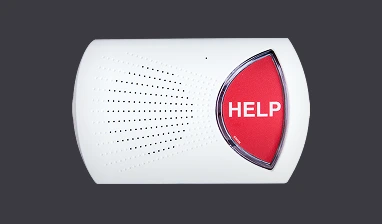
If your family member strongly objects to wearing a pendant or wristband, there are alternatives. A voice-enabled medical alert system eliminates the need for a wearable device altogether. GetSafe, for example, offers systems with voice-activated wall buttons that can be used to summon help. Depending on the system, the user can activate two-way communication with the monitoring center either by pressing a wall button or using a voice command.
Loss of Control
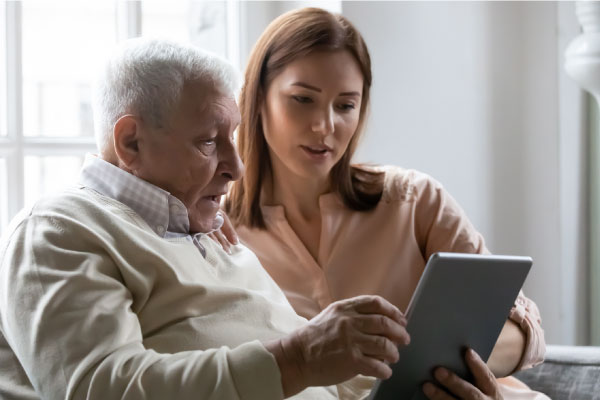
Perhaps the strongest resistance has less to do with the device itself and more to do with what it represents.
The transition from being an independent caregiver or parent to becoming someone who may need care can be difficult. If your parent feels that family members are telling them what they should do, rather than helping them make their own decisions, resistance is understandable — and may be quite strong.
Turning the medical alert into a power struggle is unlikely to help either of you. Instead, it may be useful to have someone outside the immediate family introduce the idea. Depending on your family dynamics, that could be a doctor, another trusted professional, or even a friend who already uses a medical alert system.
The central message is that a medical alert doesn’t have to represent a loss of control. It can actually be a way of maintaining independence by making it possible to get help quickly when something goes wrong.
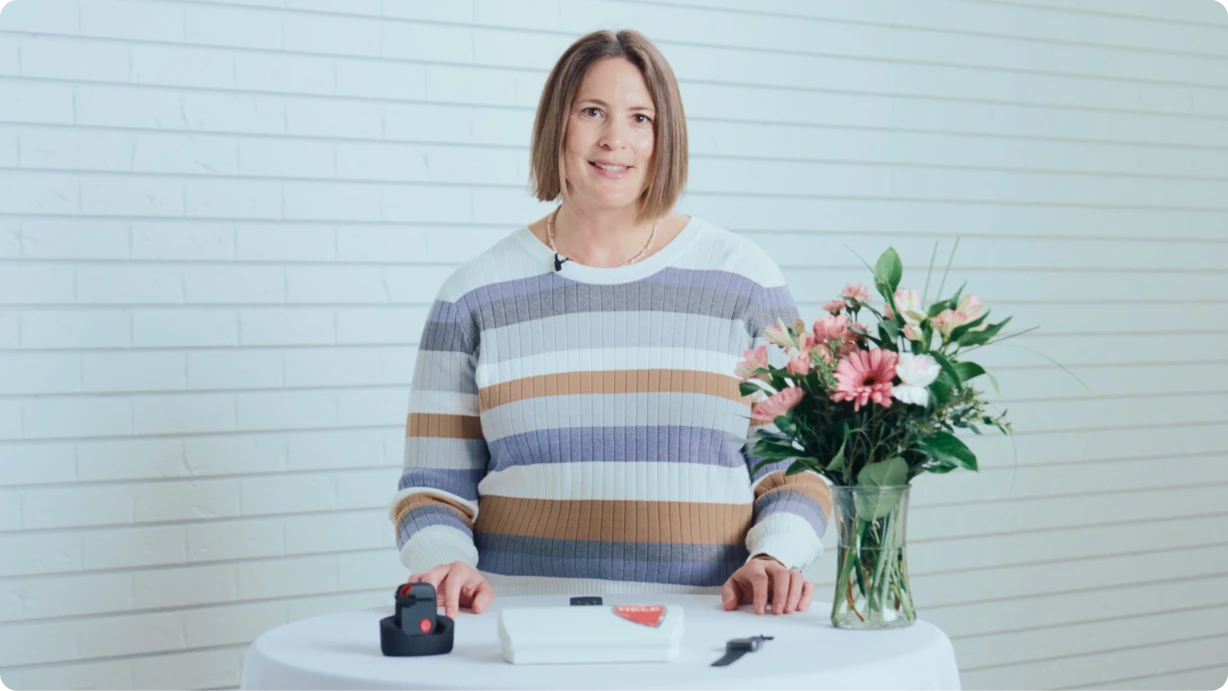
It may also help to demonstrate how the system works rather than simply explaining it. Show your family member how quickly they can summon help and how simple the equipment is to set up and use. Bay Alarm Medical, for example, provides videos demonstrating how medical alert systems work.
You can also explain that the system isn’t necessarily just for a serious medical emergency. Medical alerts can be used to summon assistance for a variety of situations, including home invasions and other non-medical emergencies, particularly when someone cannot safely reach a telephone.
And there is another important point to make: the purpose isn’t simply to make family members feel better. A medical alert can help an older adult remain at home longer by providing a way to call for assistance when no one else is nearby. That can be an important part of maintaining independence – and ultimately, the decision to use one is best framed as a tool for staying in control, rather than surrendering control.
Do you want to learn more about home medical alerts and discuss which systems might be right for you or your loved ones? Call us at 877-522-9633 or chat with one of our representatives online via the Bay Alarm Medical Web site.
All our medical alert systems have a risk-free 15-day trial period – just in case.
About the Author
As Bay Alarm Medical CMO, Alan Wu is deeply involved in the design of our products, from the hardware we use, to service pricing, to the feedback we receive from our customers so we can improve what we offer. He understands the questions and problems seniors may have, from weak cell signal in rural areas, to memory issues that can cause wandering. He works to find solutions to these and find ways our technology can make lives better and longer. Read his full credentials here.
We thought you might also like:
How to Choose a Medical Alert System: 6 Key Topics to Research
How To Buy & Set Up A Medical Alert For A Family Member In Another City