


How a Lockbox Can Help Save Your Life
When an emergency happens at home, every second can matter. If firefighters, paramedics, or other emergency personnel need to reach someone inside, a locked door can become an unexpected obstacle. If no one is able to open the door, responders may have to force their way in through a door or window.
The Bay Alarm Medical team recommends that users consider installing a key lockbox at their home. A properly installed lockbox gives authorized emergency personnel a way to enter the home quickly without damaging the property.
What is a lockbox?
A lockbox is a small, secure container designed to hold one or more keys. It is typically protected by a combination code or other locking mechanism, allowing authorized people to retrieve the key when necessary.
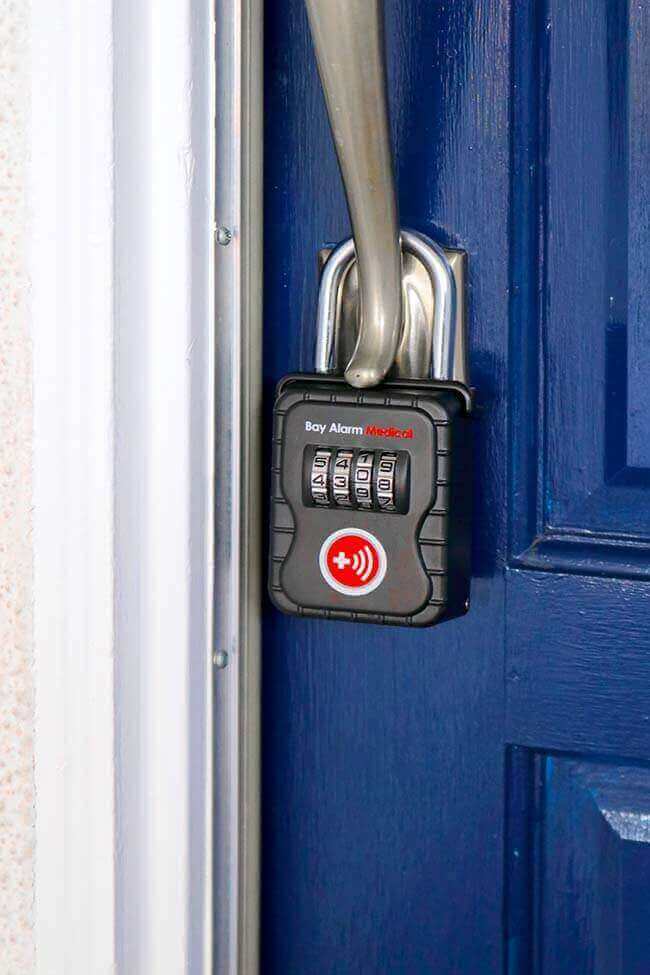
You may have seen lockboxes attached to the front doors of homes being sold or rented. Real estate agents commonly use them to provide controlled access to properties. Homeowners can use the same basic idea to store a spare key for family members, caregivers, service providers, or emergency responders.
For someone who lives alone, has mobility limitations, or spends periods of time alone at home, a lockbox can provide an important additional layer of emergency preparedness.
How Can a Lockbox Help in an Emergency?
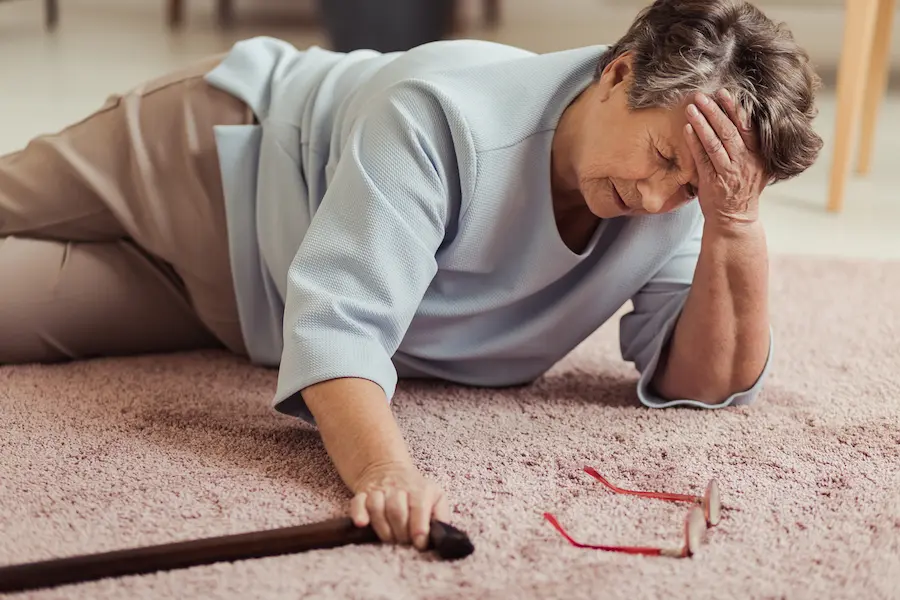
Consider a situation in which a medical alert user presses their help button but is unable to reach the door. Perhaps they have fallen, become seriously ill, or are otherwise unable to get up and unlock the door.
The medical alert company can contact emergency services, but responders still need to get inside. Without an accessible key, they may have little choice but to break down a door or enter through a window.
A lockbox can provide a much simpler solution. The homeowner gives the lockbox code to their medical alert provider, such as Bay Alarm Medical, which can keep the information with the user’s account. When an emergency call is received, that information can be passed to the appropriate emergency responders, where local procedures permit.
This means firefighters and paramedics can potentially enter through the normal entrance rather than spending valuable time forcing their way inside.
Lockboxes Offer More Than Emergency Access
Emergency access is perhaps the most important reason to have a lockbox, but it is not the only one.
A lockbox provides a safer alternative to leaving a spare key under a doormat, inside a flowerpot, or in another predictable hiding place. It can allow trusted family members, friends, caregivers, pet sitters, or maintenance workers to enter the home without requiring someone to be present to hand over a key.
For older adults aging in place, this can be particularly useful. A family member or caregiver can be given access when necessary while the key itself remains secured.
Lockboxes also come in different sizes and configurations. Some are permanently mounted, while others are designed for different locations and applications. The appropriate choice depends on the property, the type of door, and who needs access.
How a Lockbox Can Save Your Life
Avoiding the Cost of Forced Entry
Forced entry may be necessary when someone’s life is at risk, and emergency responders will naturally prioritize getting to the person who needs help. But breaking a door or window can leave the homeowner with a substantial repair bill.
Replacing an exterior door can cost hundreds of dollars and, depending on the door and installation, can run well over $1,000. A damaged window can create another expense. There is also a practical problem after the emergency: if the homeowner is transported to the hospital, a broken door or window can leave the home unsecured while they are away. Check out this door replacement cost calculator for more information on how much it can cost.
Bay Alarm Medical Lockbox
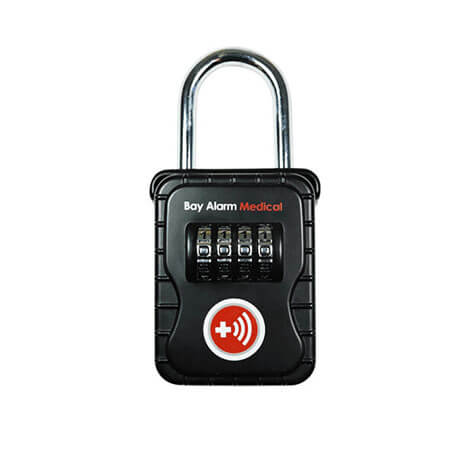
What happens during an emergency?
If you use a monitored medical alert system, ask your provider about its procedures for handling lockbox information.
With Bay Alarm Medical, for example, a user can provide the lockbox code to the company so that it can be associated with their account. During an emergency, the information can then be available to dispatchers and communicated to responding emergency personnel as appropriate.
It is also worth remembering that emergency access procedures can vary between communities. Some fire departments and other emergency agencies have their own lockbox programs or requirements (check out the San Francisco Fire Department’s lockbox program), so homeowners should check with their local fire department or emergency services agency.
Several fire departments have established programs specifically designed to help seniors and people who may be vulnerable during emergencies gain safer, faster access to their homes. Your local fire department can tell you whether a community lockbox program is available and what type of lockbox it supports.
Where Should a Lockbox Be Placed?
The most important consideration is accessibility. A lockbox should be located somewhere emergency personnel can reach easily, while still being secured against unauthorized access.
Many homeowners install one near the front door. Depending on the property and the type of lockbox, it may be attached to the door or nearby wall, or positioned in another accessible location. Some homeowners may choose a less prominent location, such as near a back entrance or gate.
The exact placement should take into account local emergency-response practices. The goal is not simply to hide the key; it is to make sure authorized emergency personnel can locate and use it when needed.
To see what a lockbox looks like be sure to visit our Accessories Page. If you would like to purchase a Lockbox please call our toll-free number at 1-877-522-9633. You may also feel free to order online.
About the Author
As Bay Alarm Medical CMO, Alan Wu is deeply involved in the design of our products, from the hardware we use, to service pricing, to the feedback we receive from our customers so we can improve what we offer. He understands the questions and problems seniors may have, from weak cell signal in rural areas, to memory issues that can cause wandering. He works to find solutions to these and find ways our technology can make lives better and longer. Read his full credentials here.
4 Reasons Why You Need a GPS Medical Alert System
Medical Alert System Wall Buttons
6 Things to Look For when Choosing a Medical Alert System