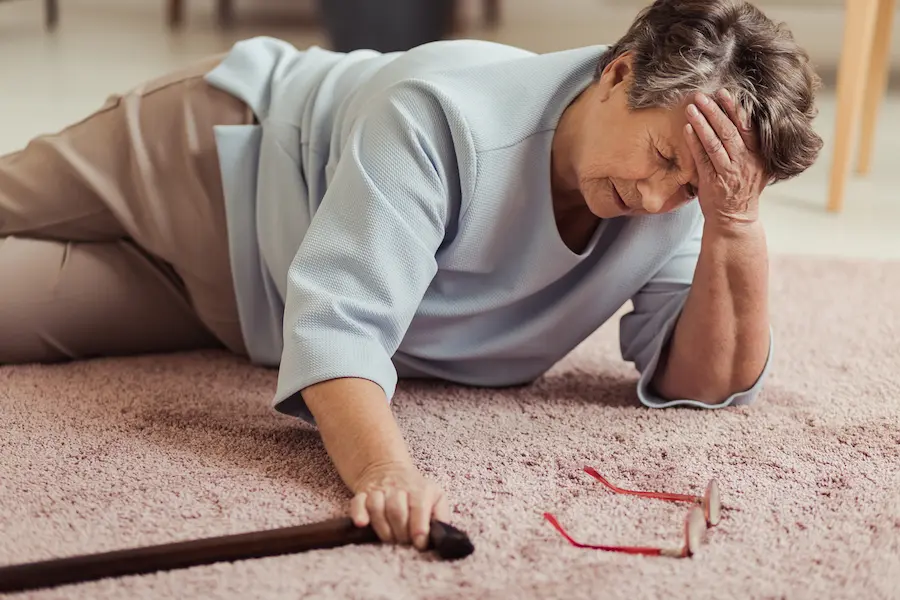
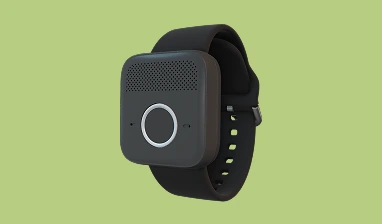
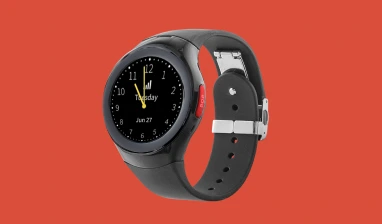

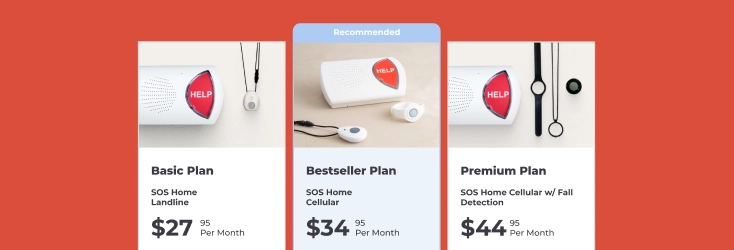






If you have elderly parents, the possibility of a fall is probably one of the things you worry about most. Falls are common among older adults and can result in serious injuries, including hip fractures and traumatic brain injuries. Just as concerning, an older person who falls may be unable to get up or reach a telephone, leaving them without help for hours.
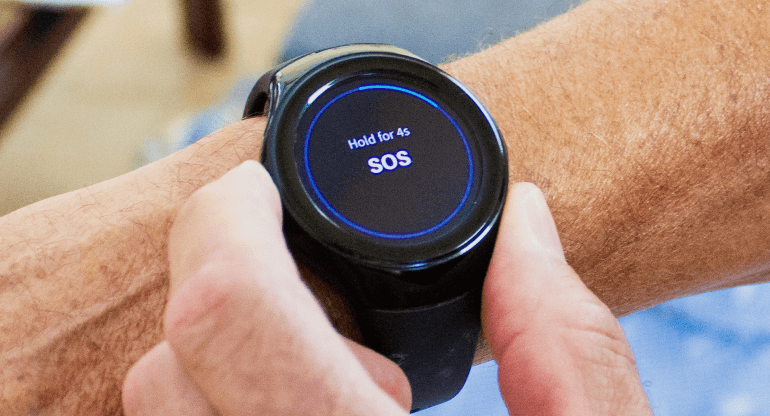
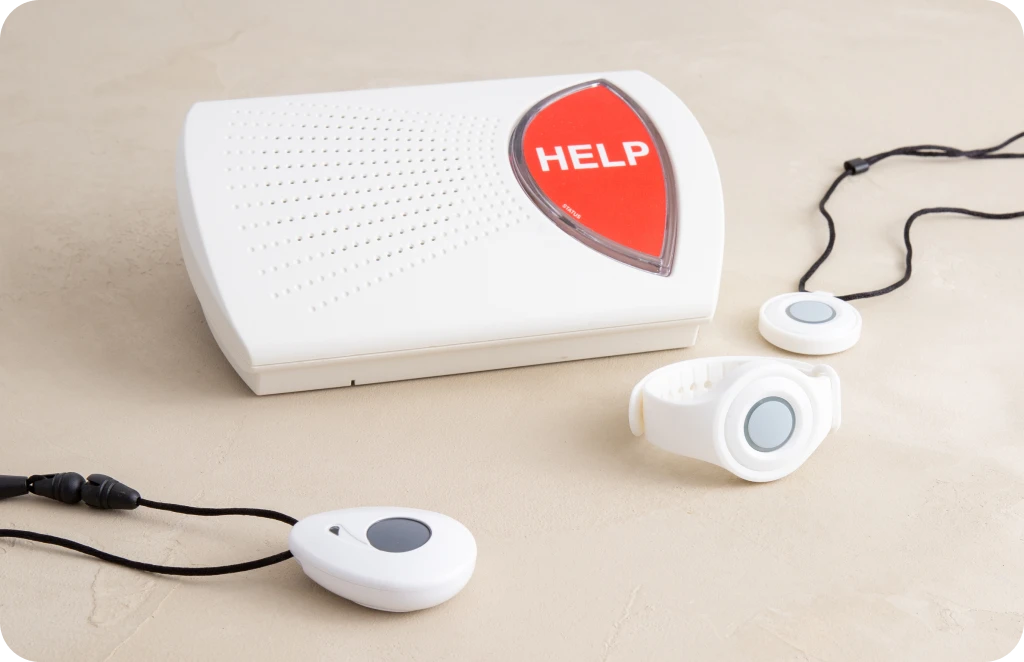
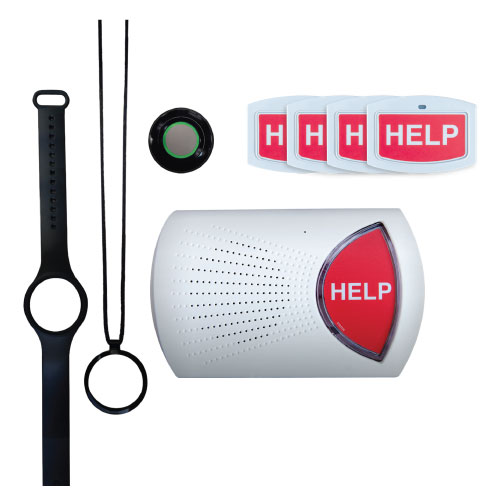
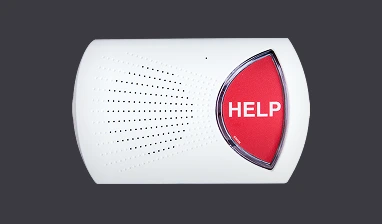
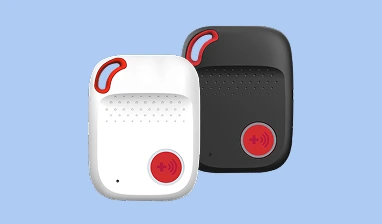
As AARP suggests, a medical alert system can provide a relatively simple way to address that risk. With a wearable device, your parent can contact a monitoring center with the push of a button. Some systems can also detect certain falls automatically, even if the wearer cannot press the button.
But knowing that a medical alert system could help is one thing. Persuading a parent to wear one can be quite another. Many older adults see an alert device as a sign that they are becoming frail or losing their independence. The key is to approach the conversation with respect and focus on what matters most to them: staying safe while continuing to live life on their own terms.
How Common Are Falls Among Older Adults?
Falls are a significant health concern for Americans age 65 and older. The CDC reports that more than one in four older adults falls each year, and more than 800,000 are hospitalized annually because of a fall injury.
The consequences can extend beyond the initial injury. Someone who falls when alone may be unable to get back on their feet or reach a telephone. Hours spent on the floor can lead to dehydration, exposure to extreme temperatures and other complications. A relatively minor fall can therefore become a much more serious event simply because help did not arrive quickly.

The risk generally increases with age, particularly when an older person’s balance, strength, vision or mobility begins to decline. That makes it worthwhile to discuss emergency preparedness before a serious incident occurs, rather than waiting until after one.
How to Tell If Your Parents Need Medical Alert Devices
There is no single age at which someone suddenly needs a medical alert system. Instead, look for changes that could make an emergency more difficult to manage independently:
- Changes in physical health, such as having trouble getting around the home.
- A recent fall that signals your parent may need more help than they admit.
- Weight loss and frailty, leading to decreased mobility.
- Problems with balance and walking.
- Increasing forgetfulness or confusion.
- Problems with vision.
- A drop in mental acuity and alertness.
- Home hazards such as broken steps or excessive clutter that pose a tripping hazard.
Seeing one of these issues does not necessarily mean your parent needs a medical alert system. But several together may be a good reason to begin a conversation about how they would summon help if something went wrong while they were alone.

Start With Independence, Not Dependence
The biggest mistake is to present a medical alert system as something your parent needs because they are old or incapable.
Instead, emphasize independence.
A medical alert system is intended to give an older adult another way to summon help without relying on someone being nearby. That can actually make living independently more practical. Your parent continues to decide when to use the device and, depending on the service, whether help should come from a monitoring center, family member or emergency services.
Try explaining that the goal is not to take away independence but to help preserve it. A relatively unobtrusive device may make it possible for your parent to remain at home with greater confidence.
Make It About Your Concern, Too
Another useful approach is to explain that the system would give you greater peace of mind.
Rather than saying, “You need this because you’re not safe alone,” try explaining that you worry about what would happen if they fell or became ill when nobody else was there.
Your parent may insist that they are fine. They may genuinely believe that, or they may be reluctant to acknowledge the changes that come with aging. Either way, framing the conversation around your concern rather than their shortcomings can make it less confrontational.
You can also ask questions rather than issuing instructions. Have they ever worried about falling? What would they do if they could not reach the telephone? Who would they call if they became ill while alone?
Those questions can help your parent think through the issue for themselves.
Explain Why a Cellphone Isn’t the Same Thing
A parent may reasonably ask why they need a medical alert device when they already have a cellphone.
A cellphone can certainly be useful in an emergency, but it has limitations. Your parent may not have it with them when they fall. It may be out of battery, there may be no usable cellular connection, or an injury may make it impossible to reach or operate. According to Pew, 67% of the Baby Boomer generation (ages 54 to 72) and 30% of the Silent Generation (ages 73 to 90) has a mobile phone, and that adoption rate is increasing.

Even dialing 911 can be difficult during a stressful emergency, particularly for someone with limited mobility, poor vision or cognitive difficulties.
A medical alert device is designed specifically for emergencies and is normally worn on the person, making it available when needed. Some systems also offer automatic fall detection, which can initiate an alert when the wearer cannot press the button themselves. Fall detection is not perfect and does not detect every fall, but it can provide an additional layer of protection.
Get a Doctor or Other Professional Involved
If your parent dismisses concerns raised by family members, an independent professional may have more influence.
A routine appointment with their physician can be an appropriate opportunity to discuss falls, mobility and emergency preparedness. A doctor, occupational therapist or other healthcare professional may also be able to identify risks that family members have overlooked.
You don’t necessarily need to make the conversation dramatic. Simply asking a healthcare professional whether a medical alert system would be appropriate can turn the subject into a normal part of planning for healthy aging.

Show Them Exactly How It Works
Sometimes resistance comes from uncertainty rather than opposition.
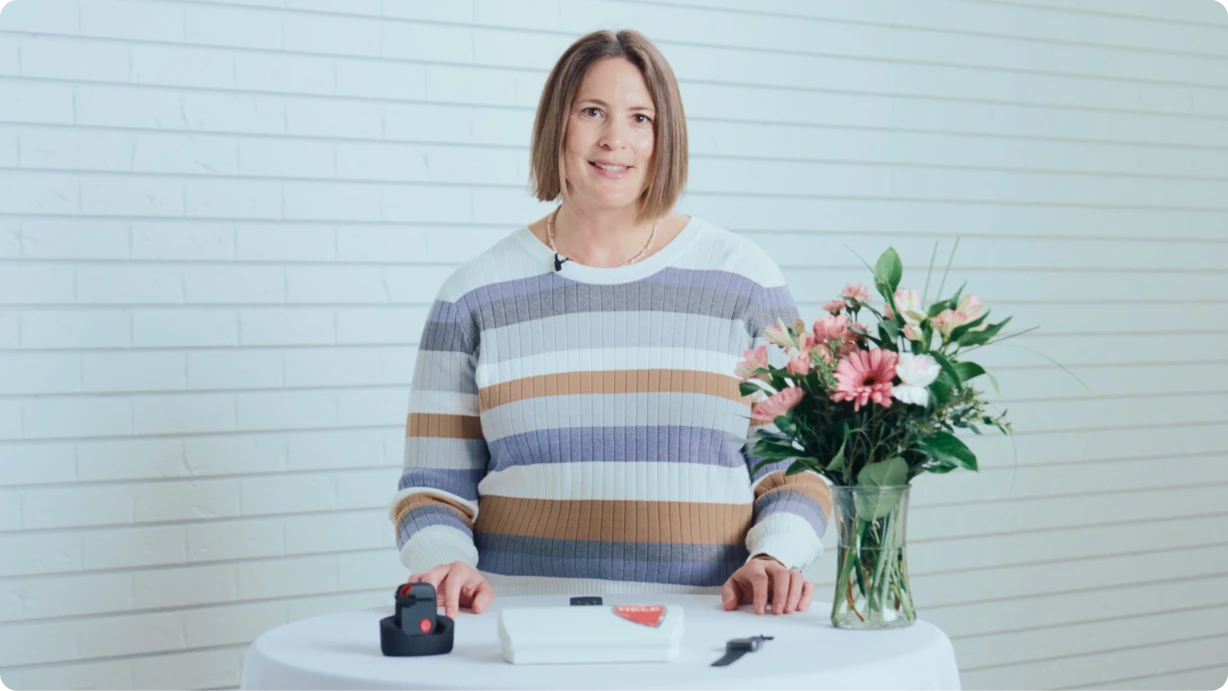
Take the time to demonstrate the system. Show your parent the device, explain how it connects to help and describe what happens when the button is pressed. Many systems are designed to be relatively simple to install and operate.
Reassure them that accidentally pressing the button is not a disaster. They can simply tell the monitoring operator that everything is fine. Operators are accustomed to accidental activation.
Most importantly, make sure your parent understands what the service actually provides. A monitored system generally connects the user with trained personnel who can assess the situation and help determine the appropriate response, rather than simply placing an unexplained automated call.
Don’t Talk Down to Your Parents
This may be the most important part of the conversation.
Your parent is still an adult who deserves to make their own decisions. Even when you are genuinely worried, avoid becoming argumentative, impatient or patronizing.
Imagine how you would feel if your own child suddenly started telling you that you could no longer manage your life. Aging does not automatically mean losing judgment or independence.
Listen to your parent’s objections. They may be concerned about appearance, cost, privacy, false alarms or simply the idea of wearing something that reminds them of their age. Those concerns are worth addressing rather than dismissing.
If they refuse immediately, don’t necessarily turn the conversation into an argument. It may be more productive to revisit the subject later.
Talk Honestly About Cost and Appearance
Price is another understandable objection. A medical alert system represents an ongoing expense, and your parent may not see the value if they have never needed emergency assistance.
The comparison is not simply between a monthly service fee and nothing, however. A serious fall can result in medical treatment, hospitalization and a prolonged loss of independence. A medical alert system may also cost considerably less than moving into assisted living solely because someone is no longer confident living alone.
Appearance can be an issue, too. Some older adults dislike the idea of wearing a conspicuous pendant or wrist device because they feel it makes them look frail.
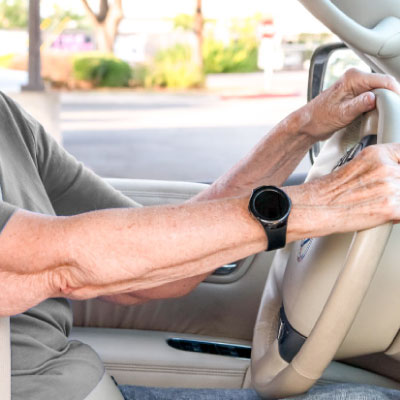
Today’s systems come in a variety of designs, so it is worth looking at different options together. The important consideration is not whether the device looks like traditional medical equipment, but whether your parent will actually wear it consistently.

Having an earnest and heartfelt discussion about the safety of someone you love is hard. But medical alert devices were designed to improve the lives of older people so they can continue to live their lives to the fullest.
Have the Conversation Before You Need It
The ideal time to discuss a medical alert system is before an emergency forces the issue.
Falls and other medical emergencies are real risks, particularly as people reach their 70s, 80s and 90s. But the purpose of an alert system is not to announce that someone is old or incapable. It is to provide a practical backup when something goes wrong.
Approach the conversation as a partnership. Ask your parent what would make them feel safer, explain why you are concerned, and give them an opportunity to investigate the options themselves.

Interestingly, medical alert devices are in use by younger people as well; people with disabilities for example, who cannot reach the phone easily can benefit from the service. But medical alert devices are worn most frequently by people in their 70s, 80s, and 90s. These devices allow them to continue to live in the comfort of their own home into these later years.
Bay Alarm Medical is devoted to providing your loved ones with affordable and reliable protection for their health and independence with our #1 rated medical alert systems. To learn more about medical alert technology and services, please visit our How It Works page

About the Author
As Bay Alarm Medical CMO, Alan Wu is deeply involved in the design of our products, from the hardware we use, to service pricing, to the feedback we receive from our customers so we can improve what we offer. He understands the questions and problems seniors may have, from weak cell signal in rural areas, to memory issues that can cause wandering. He works to find solutions to these and find ways our technology can make lives better and longer. Read his full credentials here.
We thought you might also like:
5 Signs It’s Time For A Medical Alert System