



Caregiving decisions are rarely made on logistics alone. Behind choices about how often to check in, whether to accept outside help, or when to consider assisted living, guilt often has a say, and sometimes the final one.
Bay Alarm Medical surveyed 1,014 current and recent caregivers to understand how feelings of guilt affect the care they give. The results reveal that some caregivers are taking on more than they can sustain, turning down help they need, and weighing family judgment against their own well-being.
Key Takeaways
- 30% of caregivers regularly agree to caregiving tasks they know they can’t sustain.
- 53% of caregivers say their mental or emotional health has paid the highest price for caregiving guilt.
- 30% of caregivers would provide less hands-on care if they knew that no one would judge them.
- 47% of caregivers resent a sibling or other family member for not doing their fair share of caregiving.
- 44% of caregivers wish their loved one would accept professional care or assisted living so they could reclaim more of their own lives.
Guilt Is Costing Caregivers More Than Money
Guilt can push caregivers past their limits. Many take on more than they can manage, decline support, and check in more than needed. Over time, the emotional toll adds up, especially for younger caregivers.
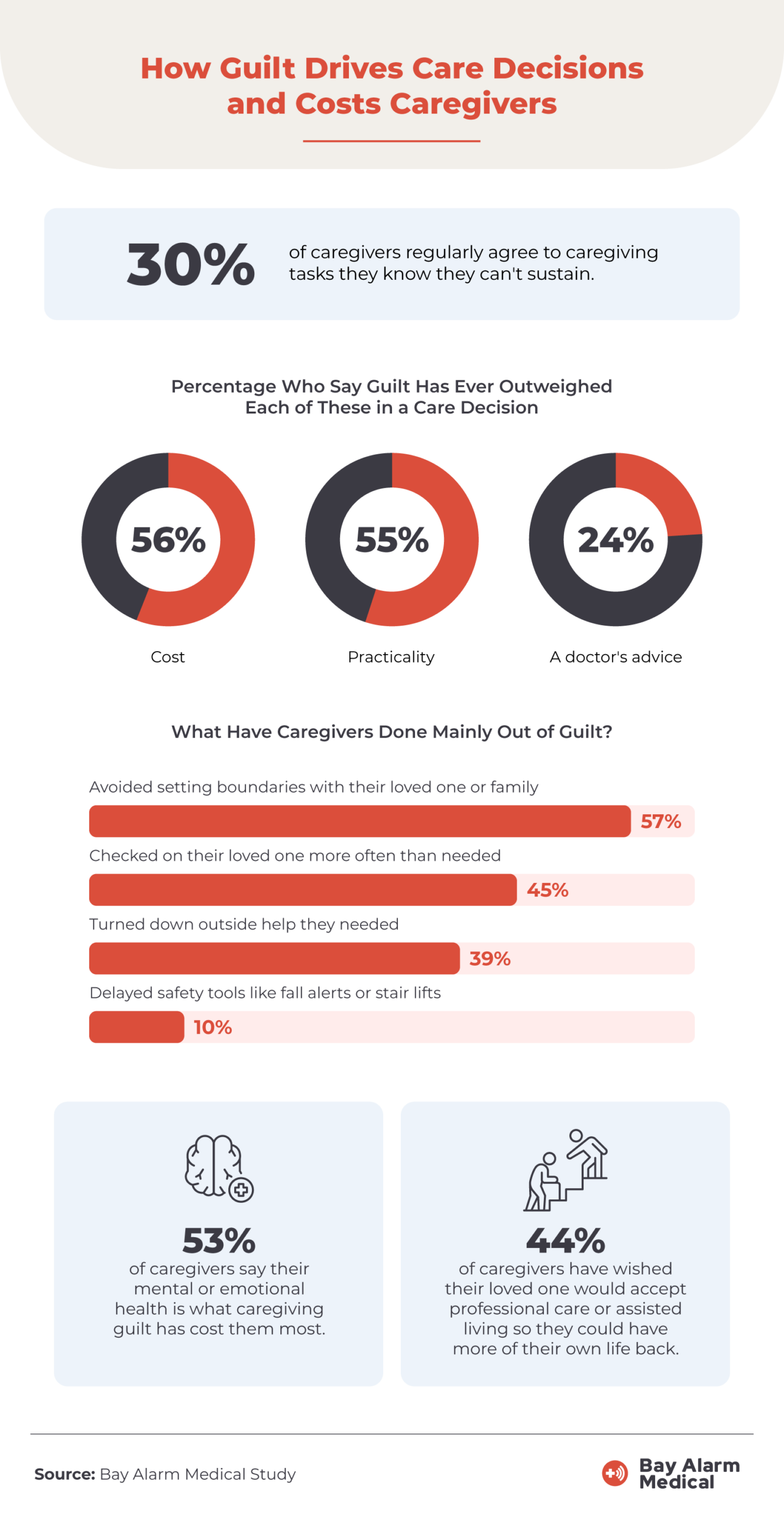
- 30% of caregivers regularly agree to caregiving tasks they know they can’t sustain. Among those caring for someone in advanced or end-of-life care, that rises to 40%, compared with 21% of those in early support.
- Guilt has outweighed cost in care decisions for 64% of Gen Z caregivers, 57% of millennials, 51% of Gen X, and 39% of baby boomers.
- 50% of Gen Z caregivers have turned down outside help they needed because of guilt, compared with 40% of millennials, 33% of Gen X, and 19% of baby boomers.
- Half of millennial caregivers (50%) have checked on their loved one more often than needed because of guilt, compared with 48% of Gen Z, 40% of Gen X, and 25% of baby boomers.
- 53% of caregivers say their mental or emotional health has paid the biggest price for caregiving guilt. This includes 63% of Gen Z caregivers, but fewer millennials (53%), Gen X (51%), and baby boomers (34%).
- 44% of caregivers wish their loved one would accept professional care or assisted living so they could reclaim more of their own lives.
The Fear of Judgment: How Family Pressure Shapes Care
Guilt doesn’t only come from within. Caregivers also feel it through family expectations, the fear of being seen as selfish, and frustration with relatives who step back while they step up. Women and Gen Z caregivers feel that pressure most.
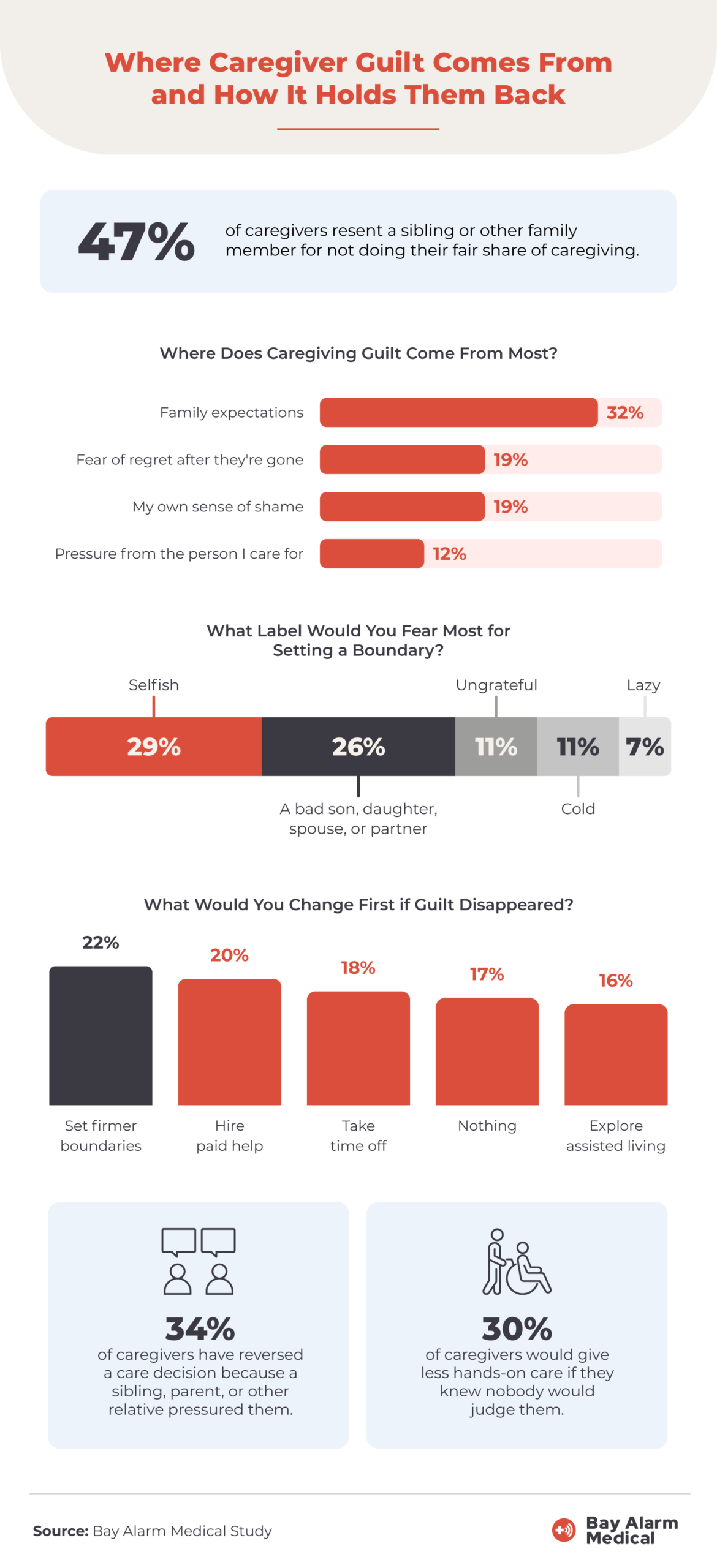
- 32% of women and 25% of men fear being called selfish the most if they set a caregiving boundary.
- 43% of Gen Z caregivers have reversed a care decision because of family pressure, compared with 36% of millennials, 27% of Gen X, and 19% of baby boomers.
- 47% of caregivers resent a sibling or other family member for not doing their fair share of caregiving.
- 51% of women and 41% of men resent a family member for not doing their fair share.
- 30% of caregivers would provide less hands-on care if they knew no one would judge them, including 33% of women and 24% of men. That rises to 40% among Gen Z caregivers.
Easing the Weight of Caregiving Guilt
Guilt often reflects how much caregivers care, but it doesn’t have to drive every decision. Families can start by talking openly about responsibilities, including how tasks are shared among siblings and other relatives, before resentment builds. Accepting outside help, from respite care to professional in-home support, can make care more sustainable for everyone involved.
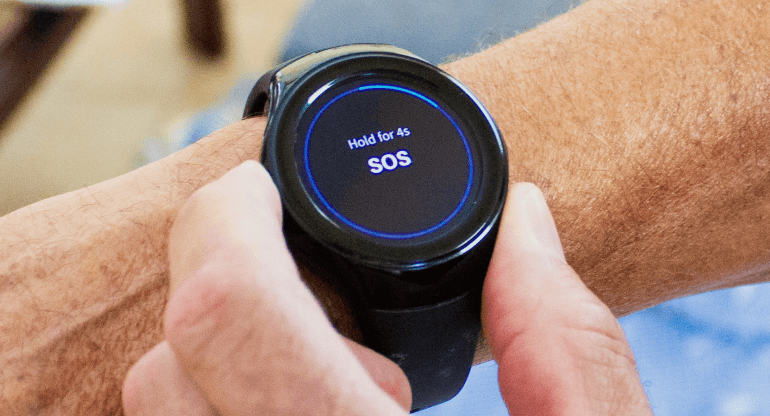
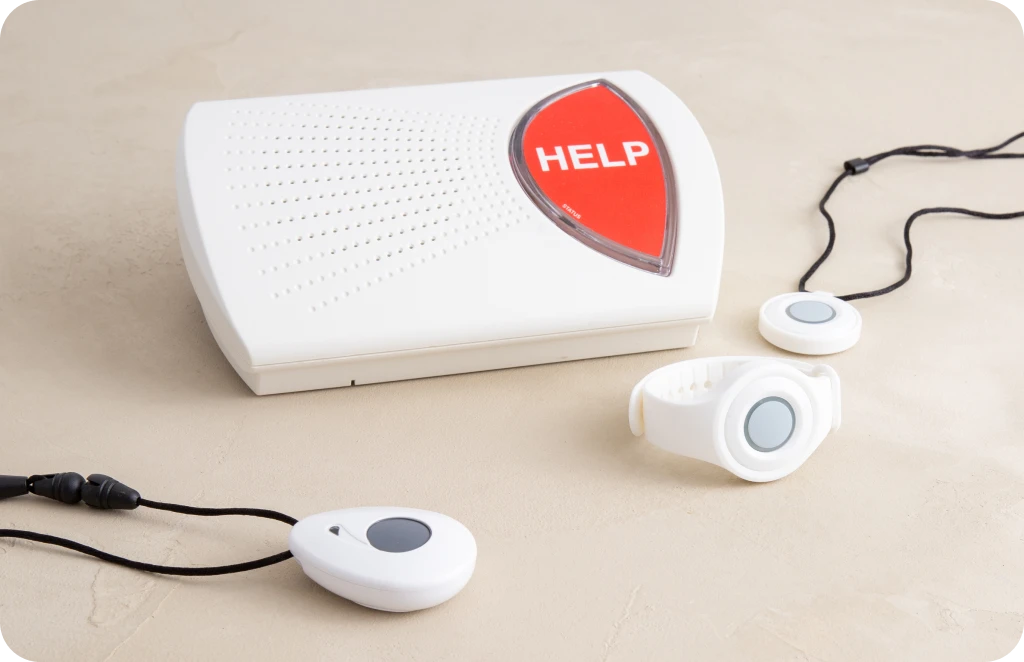
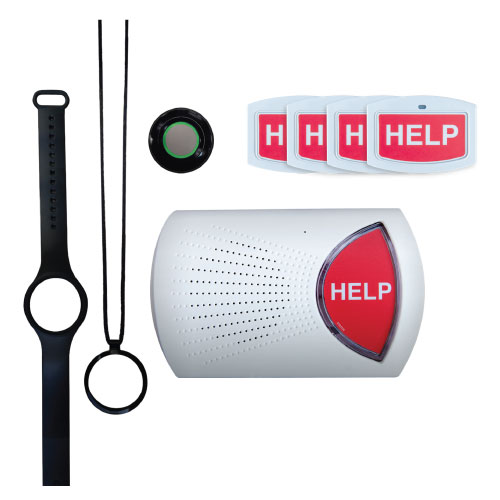
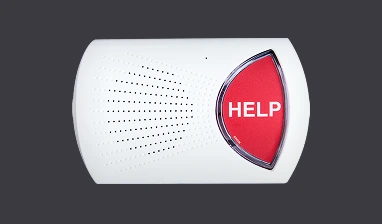
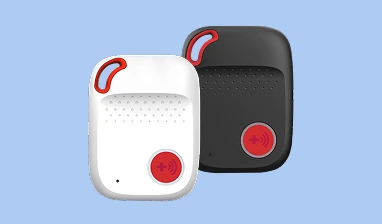
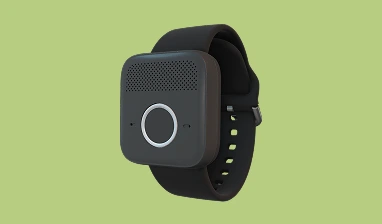
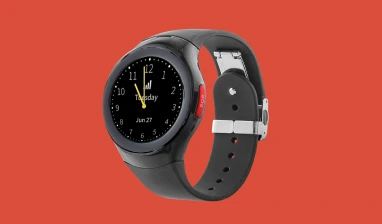
Setting realistic limits isn’t selfish. It can help caregivers stay in the role longer and give better care while they’re in it. Practical tools can help, too. For caregivers who feel the need to check in constantly, medical alert systems give loved ones a way to reach help quickly, even when family isn’t nearby.
Methodology
We surveyed 1,014 adults who currently care for a loved one, or whose caregiving ended within the past 12 months. Respondents spanned four generations: Gen Z (19%), millennials (48%), Gen X (27%), and baby boomers (6%), and included 61% women, 37% men, and 2% identifying another way or declining to answer. Respondents were in different stages of caregiving, including: early support (35%), ongoing daily care (46%), advanced or end-of-life care (8%), and caregiving that ended within the past 12 months (11%). Data was collected in September 2026.
About Bay Alarm Medical
Bay Alarm Medical provides medical alert systems that help older adults live independently, safely, and with confidence. With no long-term contracts, its systems offer reliable emergency support for users and peace of mind for the families who care for them.
Fair Use Statement
You’re welcome to share these findings and graphics for noncommercial purposes. Please credit Bay Alarm Medical and link back to this page so readers can see the full results and methodology.