





Bay Alarm Medical offers several mobile medical alert solutions designed to meet different needs and preferences. If you’re considering the SOS Mobile, SOS Smartwatch, or SOS Micro, understanding the differences can help you determine which system is the best fit for you or your loved one.
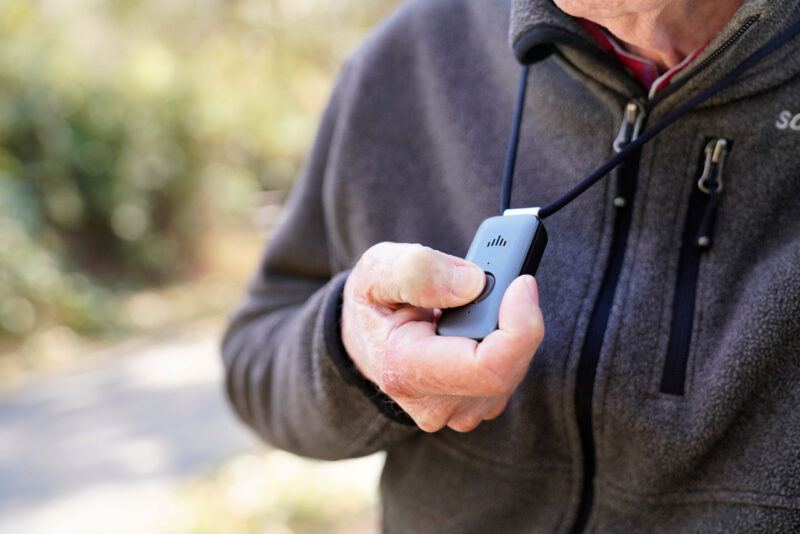
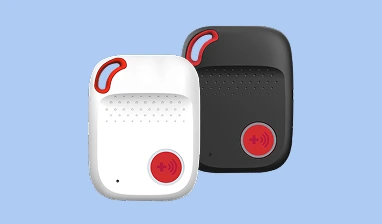
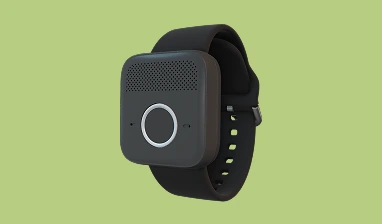
In simple terms, the SOS Micro is a smaller alternative to the SOS Mobile. It can be worn as a pendant, attached with a clip, or secured to the wrist using the included band, making it an appealing option for users who prefer a watch-style device without the larger profile of a traditional pendant.
One important distinction is that the SOS Micro does not include fall detection. There is a practical reason for this. For many years, fall detection technology performed best when a device was worn around the neck or at the waist. Wrist-worn devices present additional challenges because normal arm movements can resemble fall events, often leading to false alarms. This has been an ongoing issue across much of the industry.
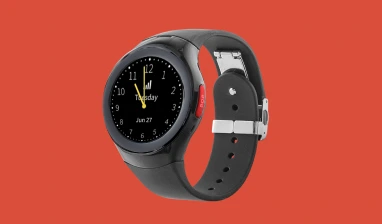
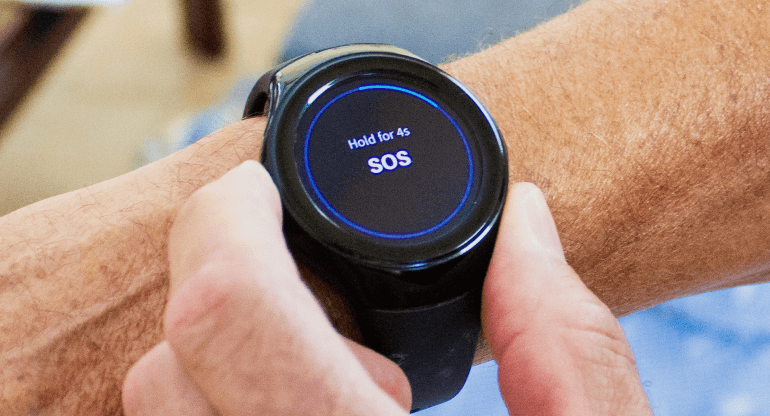
The SOS Smartwatch addresses that challenge by combining the convenience of a wrist-worn design with advanced fall detection technology. In addition to the core features found in the SOS Mobile and SOS Micro, the Smartwatch uses AI-enhanced fall detection algorithms that continuously improve accuracy and help reduce unnecessary alerts.
If fall detection is not currently a priority, but a wrist-based design appeals to you, the SOS Micro may be an excellent choice. Its compact size and flexible wearing options make it a practical alternative to the SOS Mobile while retaining the essential safety features many users need. See our complete breakdown of the SOS Micro features and benefits.
However, if fall protection is a key consideration, the decision comes down to the SOS Mobile or the SOS Smartwatch. Falls can happen to anyone, but the risk increases with age. Both of these devices offer automatic fall detection along with direct access to emergency assistance, allowing users to choose between a pendant-style system and a smartwatch form factor.
The Details
While the differences are important, all three devices share a strong foundation of safety and connectivity features.
The SOS Mobile, SOS Micro, and SOS Smartwatch are all designed for use beyond the home and include:
- GPS technology for location identification and tracking.
- Compatibility with Bay Alarm Medical home systems for seamless protection at home and on the go.
- Around-the-clock monitoring by U.S.-based operators working in UL-listed, CSAA Five Diamond Certified monitoring centers.
- Built-in two-way voice communication for direct conversations with emergency personnel.
- 4G LTE connectivity for fast response times.
- Access to the Caregiver App, which provides location information, battery monitoring, and weather updates for caregivers and family members.
Adding Fall Detection
If fall detection is a requirement, the selection narrows to the SOS Mobile and the SOS Smartwatch. Both systems include the same core mobile protection features and connect directly to Bay Alarm Medical’s monitoring center through their own built-in cellular service. Neither device depends on a nearby phone to contact emergency personnel.
The key difference is how the device is worn. The SOS Mobile is available in pendant and clip-on formats, while the SOS Smartwatch places those same capabilities on the wrist and adds Bay Alarm Medical’s latest generation of intelligent fall-detection technology.
For those who want a more detailed comparison, a side-by-side review of the SOS Mobile and SOS Smartwatch can help clarify the advantages of each model.
One final point is worth emphasizing, particularly when discussing the SOS Smartwatch. Unlike consumer smartwatches that rely on pairing with a smartphone, the SOS Smartwatch functions entirely on its own. There is no need to own a smartphone, maintain a landline, or use any other communication device. The watch connects directly to the 4G LTE cellular network, allowing users to reach the monitoring center whenever help is needed.