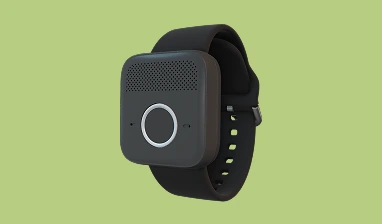
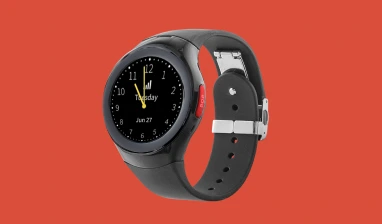

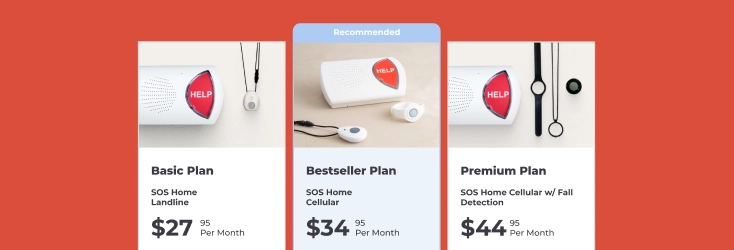




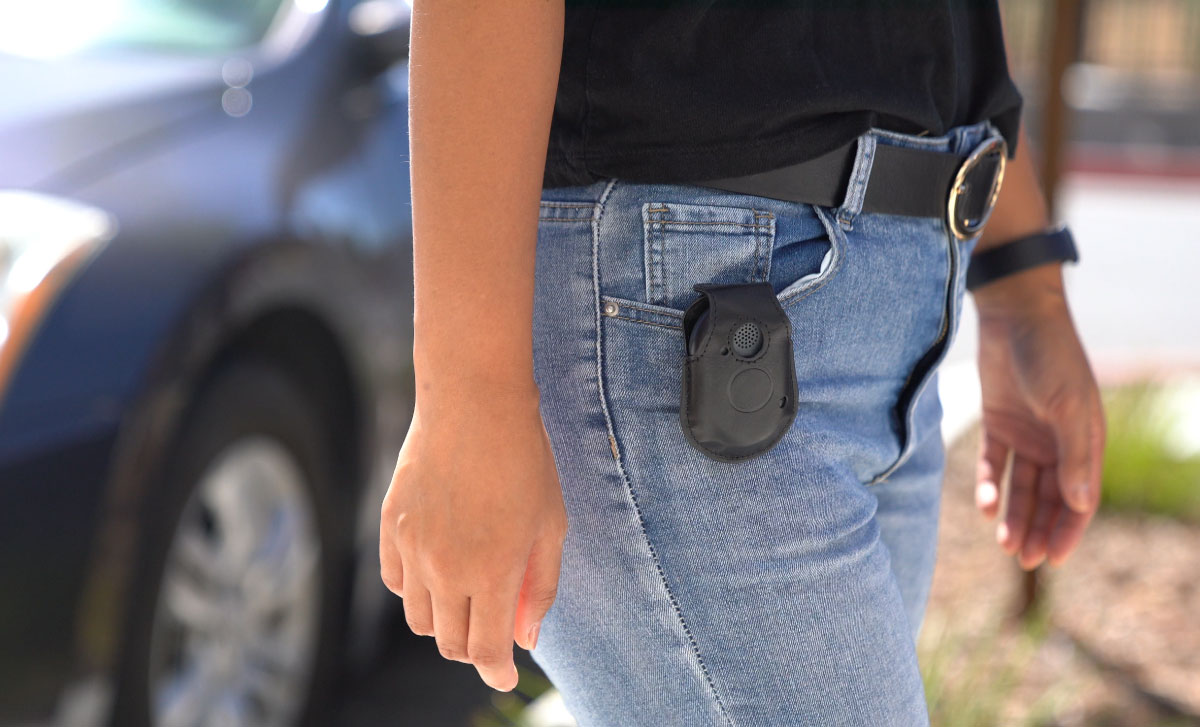
The first generation of medical alert systems provided added security for people in their homes, connecting them to help in case of an emergency. Today’s technology has dramatically expanded those options. Consumers can now choose between landline-based systems, cellular models, GPS-enabled devices, and even smartwatches.
When choosing a home-based medical alert system, one of the most important features to consider is service range – that is, how far the system works outside your home. Full coverage indoors is essential, but don’t overlook your typical outdoor activities. If you or your loved one regularly walks to the mailbox, tends the garden, or moves between the house and garage, a system with a short range could leave you vulnerable in an emergency.
How far outside your home will your medical alert system work? Here’s how to find out.
1. Check service range before you choose a medical alert system
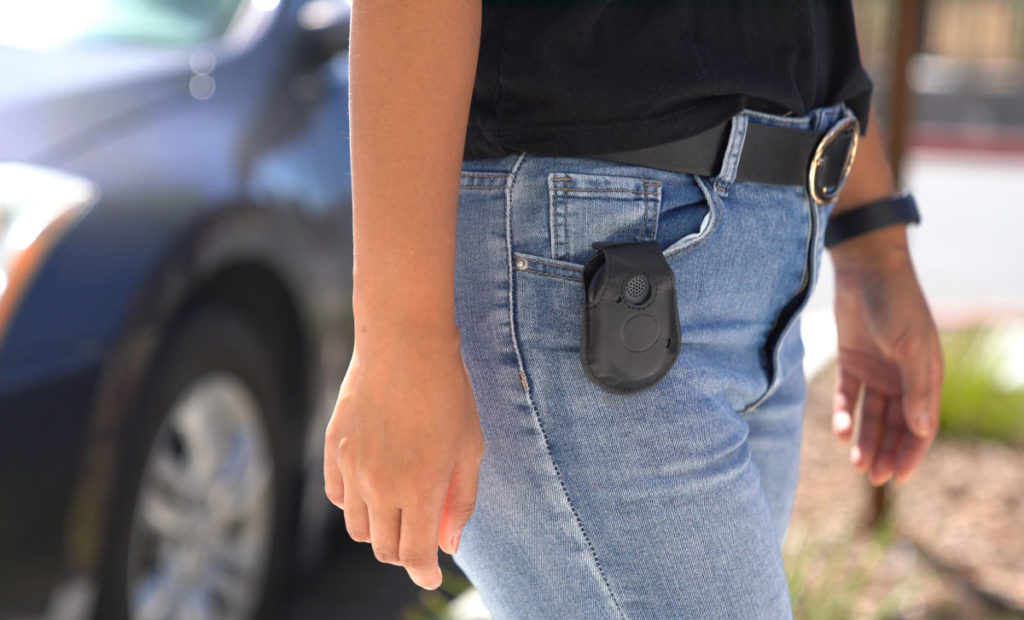
Not all systems offer the same level of coverage. Some home-based units have a limited range of only 200–300 feet. That might not be enough for larger properties or active users. If a provider’s website doesn’t clearly state the system’s range, call and ask.
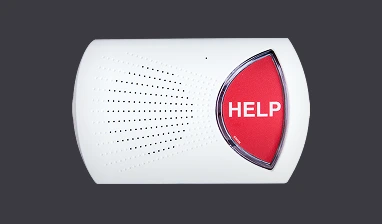
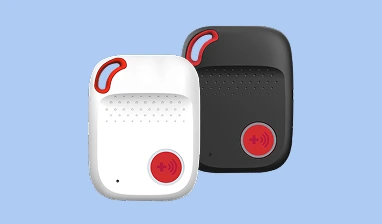
For example, Bay Alarm Medical’s SOS Home system offers up to 1,000 feet of coverage from the base unit. The SOS All-In-One system provides up to 600 feet of coverage and combines a wearable help button with GPS tracking for protection both at home and on the go.
2. Test It Throughout Your Home and Yard
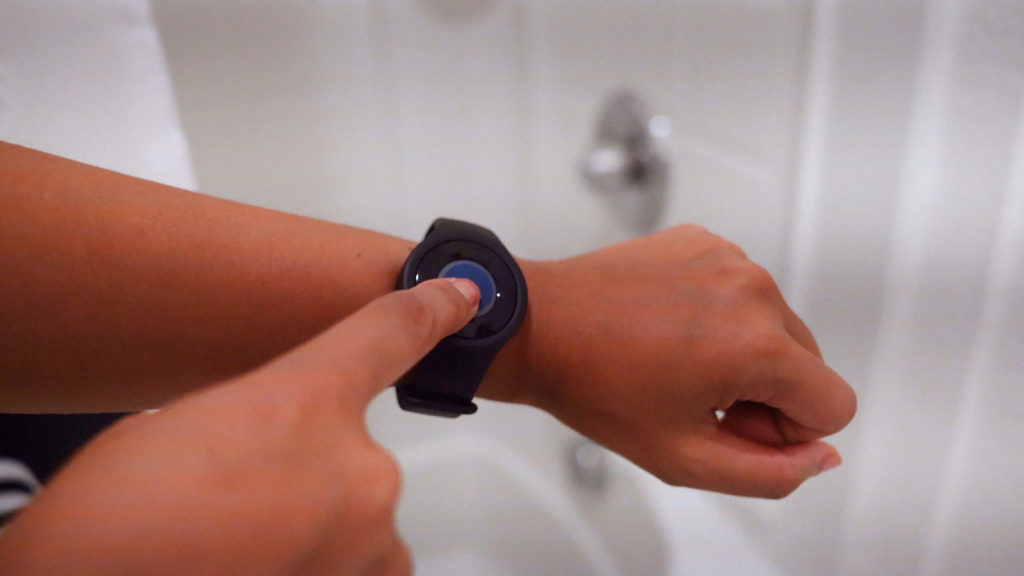
After your system arrives, test it thoroughly in every part of your home—each room, hallway, basement, garage, and stairwell. Press the help button and make sure the signal reaches the base station.
Then test it outside. Walk to the areas you normally use—mailbox, garden, tool shed, etc.—and press the button again. Since you may not hear the base unit from outside, have someone indoors confirm that the alert was received.
3. Understand Signal Strength for Mobile Systems
Mobile medical alert systems use cellular and GPS technology to offer protection wherever you go. These systems rely on a strong cell signal, so it’s a good idea to check coverage maps before choosing one.
Bay Alarm Medical’s SOS All-In-One and SOS Mobile systems are available on AT&T and Verizon networks and features GPS and include both GPS and Wi-Fi location tracking. The cost of cellular service is included in your monthly monitoring fee. Learn more about the benefits of GPS medical alert systems.
The SOS Smartwatch doesn’t require a smartphone – it includes a pre-installed SIM card (AT&T or Verizon). It also features a signal strength indicator, giving users a quick, color-coded view of their connection status.
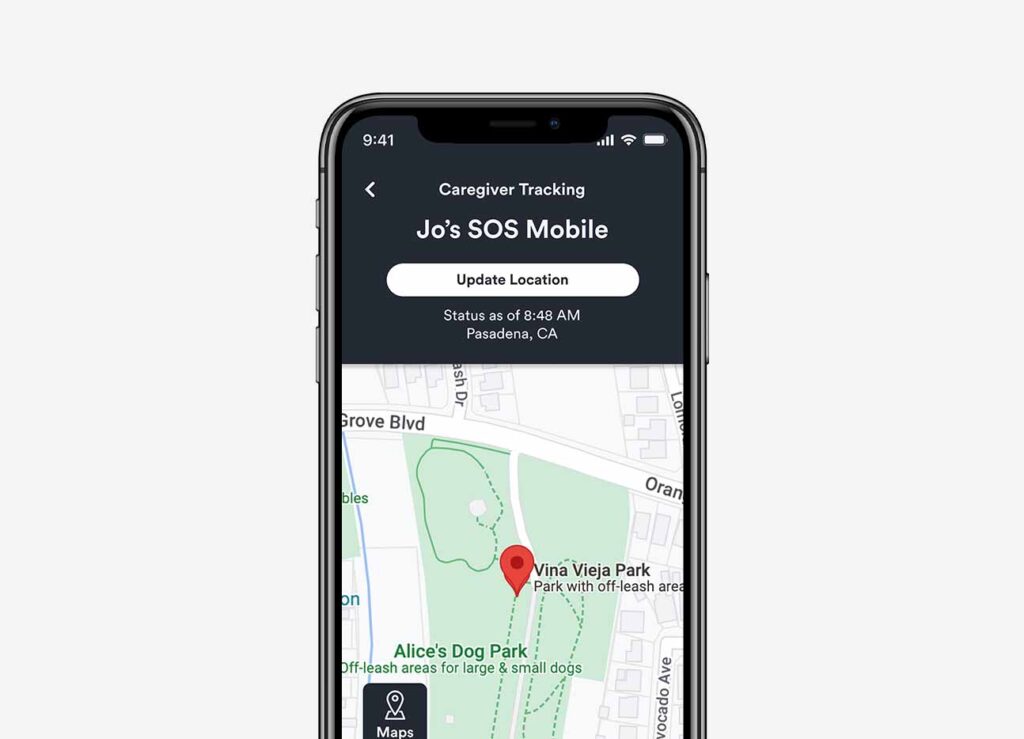
For extra peace of mind, Bay Alarm Medical also includes a caregiver tracking portal with all mobile systems. This secure tool lets family members check the device’s location and status using a phone, tablet, or computer – adding another layer of safety and reassurance.
Bay Alarm Medical offers medical life alert systems you can trust

Don’t just take our word for it!
PC Magazine, Forbes Health, The Senior List, and CNET have listed our award-winning medical alert systems as top choices in their categories. From Caring.com:
“Bay Alarm Medical has the fastest average response time of any company we reviewed, at an average of 10 seconds, meaning that customers get the help they need sooner than with other companies. Bay Alarm Medical also scored highly in this category thanks to its generous 30-day free trial period, easy-to-navigate website with a live customer service chat feature, and its A+ rating from the Better Business Bureau.”
Still have questions? Contact us at 1-877-522-9633 to discuss your individual needs and options. We can guide you through the selection process and help you build a system that meets your needs and your budget.
We thought you might like:
SOS Mobile GPS Medical Alert With Caregiver Tracking: Find Dementia Patients Who Wander
Mobile GPS Help Button: 4 Features You Will Love
How to Choose a Medical Alert System: 6 Key Topics to Research