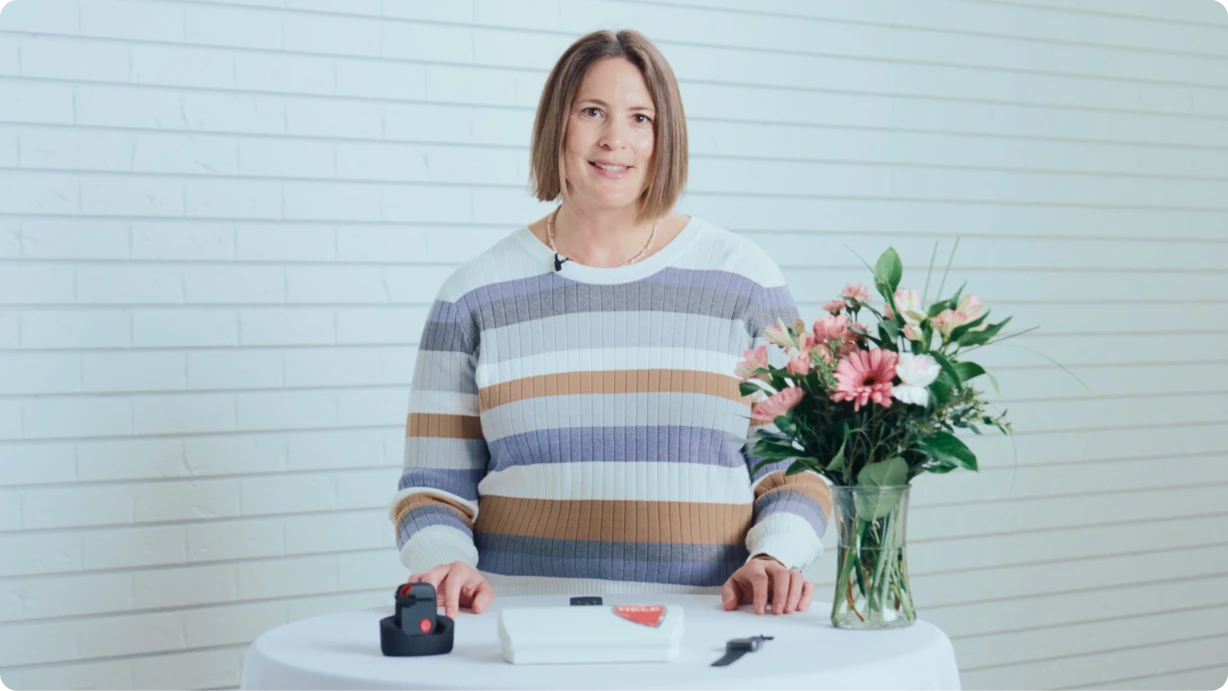




There are several reasons why a medical alert system is a better choice than a cell phone in a medical emergency.
It’s a common question: “Why pay for a specialized device when I already have a smartphone in my pocket?” While cell phones are wonders of modern technology, they are built for communication, whereas medical alert systems are built for survival.
In a high-stress medical crisis, those differences become life-saving. Here is why a dedicated system usually beats a cell phone.
The “Fumble Factor”
When you are experiencing a fall, a stroke, or severe pain, fine motor skills often vanish.
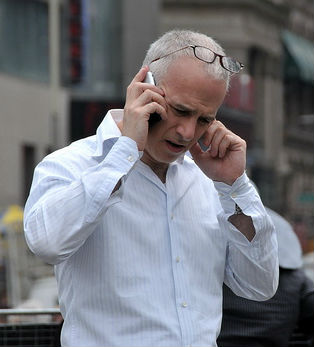
- Cell Phone: You have to find the phone, unlock it (biometrics like FaceID often fail if you’re slumped or distressed), open the dialer, and type 911.
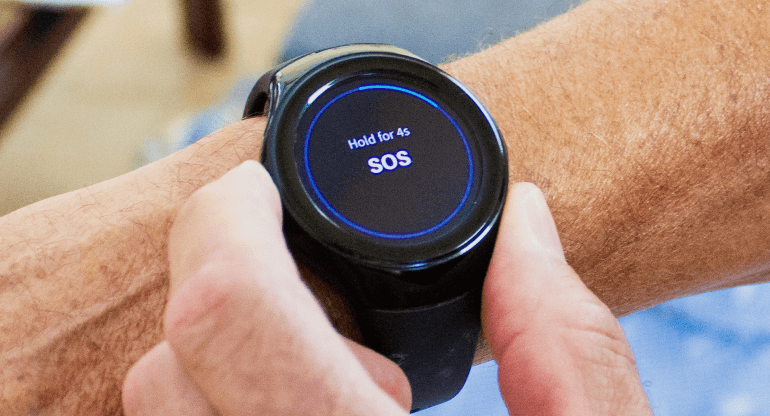
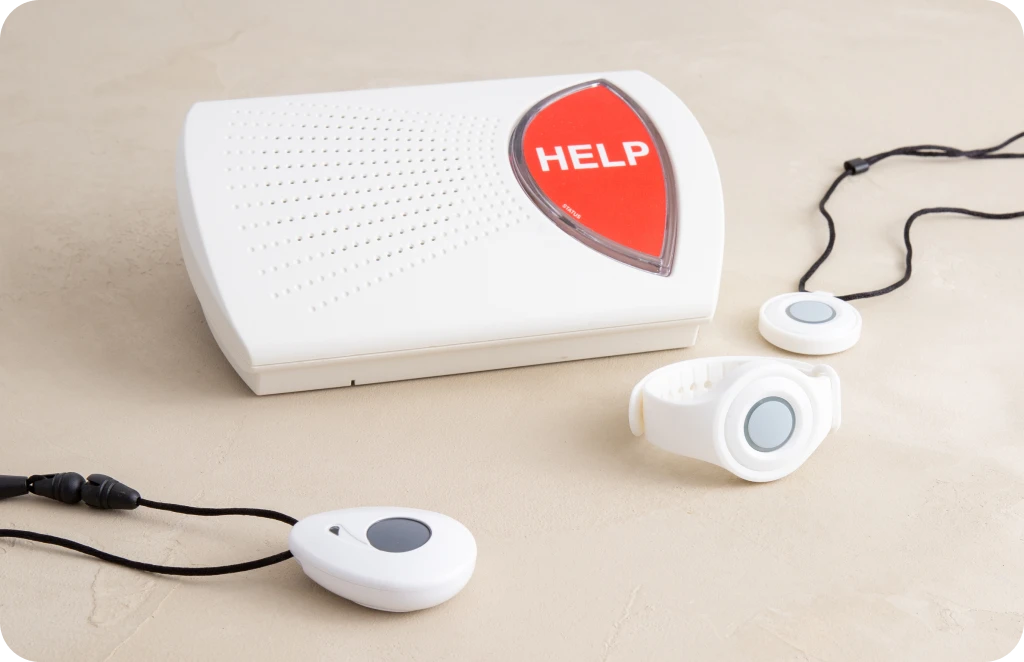
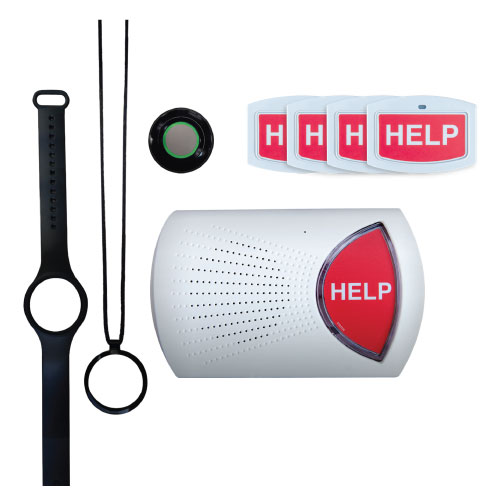
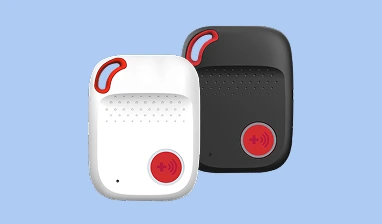
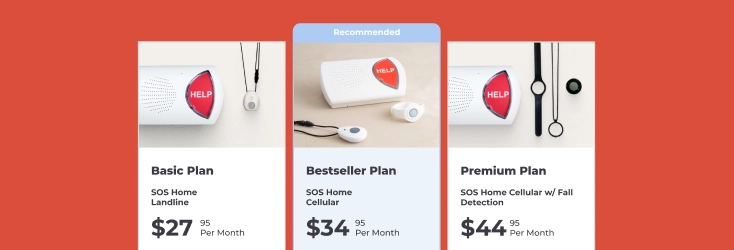
- Medical Alert: It’s a single, large, tactile button worn on the wrist or neck. You don’t even have to look at it to activate it.
Automatic Fall Detection
This is perhaps the biggest advantage. If you lose consciousness or are paralyzed by a fall, you cannot call for help.
- Cell Phone: If you can’t reach it or speak, no one is coming.
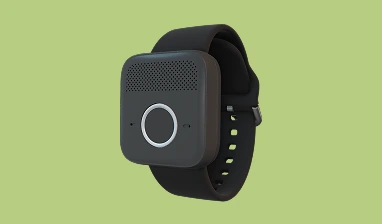
- Medical Alert: The pendants or wristwatches with fall detection sense the fall followed by inactivity, and calls for help automatically without needing you to be conscious.
Specialized Emergency Dispatch
When you call 911 on a cell phone, you get a general operator. When you press a medical alert button, you reach a dedicated monitoring center.
- Instant Profile: With Bay Alarm Medical’s dedicated monitoring centers, the operator immediately sees your medical history, allergies, and lockbox code (to let EMTs in without breaking the door).
- The “Circle of Care”: And an alert doesn’t just call an ambulance; it can immediately notify your daughter, your neighbor, or your primary doctor according to your pre-set plan.
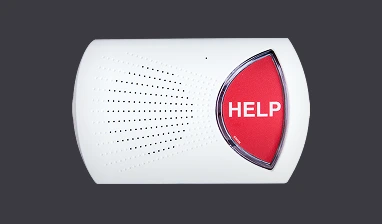
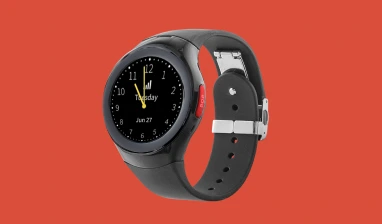
When you press the button for help, or when our automatic fall detection triggers an alert, on any device including the SOS Smartwatch, our operators know immediately who is calling and where you are, and they have your medical history in hand. They can immediately contact emergency personnel, explain the situation, and transmit information in less time than it would take you to dial your cell phone and give your name and address to the dispatcher. An automatic fall detection device will activate in the event you’re unable to respond on your own.
Wearability and Durability
A cell phone is only useful if it’s within arm’s reach.
- The Bathroom Risk: Most falls happen in the shower or late at night. You likely won’t have your phone in the shower, and it might be charging across the room while you sleep.
- Waterproof: Medical alert pendants are waterproof and designed to be worn 24/7, including in the shower and in bed.
Cell phones are not 100% waterproof and cannot be taken into the shower or bathtub with you (as medical alert pendants can). As noted by the CDC, the bathroom is the place where most injuries tend to take place as “an estimated 234,000 people ages 15 and older were treated in U.S. emergency departments (ED) in 2008 for injuries that occurred in bathrooms” (CDC Website, Fall Risks For Older Adults).
Battery Reliability
- Cell Phone: Needs to be charged daily. If you forget to plug it in, it’s a paperweight by morning.
- Medical Alert: Wearable buttons have batteries that last.
An Emergency During An Emergency
What if you have a personal emergency during a wider state of emergency? When Hurricane Sandy knocked out power across many states, mobile communication services were out for days in some places. That may happen with the next storm too: Bloomberg reported that cellular providers have resisted regulations to make their grids more reliable.
Cellular customers faced similar problems during the massive spring tornado outbreak in the Midwest and South in 2011. In Alabama, many cell towers were destroyed by storms, forcing Verizon to send portable towers to the state. Reuters reported that Joplin, MO faced much the same situation after a massive tornado hit the city:
More severe storms were predicted for the region, in a year that has brought tornadoes of record intensity across several states. Further complicating the rescue effort, power lines were downed, broken gas lines ignited fires, and cell phone communications were spotty due to 17 toppled phone towers.
In contrast to cell networks, landline service is often more stable and reliable. After all, landline providers have had more than 100 years to work out the kinks.
A wired landline connection (see our compatibility page for more detail on this connection) works even if your power is out and our Base Station works the same way. It connects directly to your phone landline and has a 32-hour battery backup. In addition, it’s portable, so if you have to evacuate during an emergency (or travel for any reason), just contact Bay Alarm Medical and give us the phone number at your temporary location.
A cell phone is a great tool, but it can’t give you the same protection and peace of mind as a home medical alert system. In fact, a strong endorsement came from AARP on medical alerts.
About the Author
As Bay Alarm Medical CMO, Alan Wu is deeply involved in the design of our products, from the hardware we use, to service pricing, to the feedback we receive from our customers so we can improve what we offer. He understands the questions and problems seniors may have, from weak cell signal in rural areas, to memory issues that can cause wandering. He works to find solutions to these and find ways our technology can make lives better and longer. Read his full credentials here.