





Automatic fall detection may be one of the most meaningful safety technologies of the last decade. Combining the fields of wearable technology, health monitoring and assistive living, it addresses a problem that shadows older adults, frail individuals and solo workers, namely, what happens if you take a fall and no one’s around, or you’re unable to call for help?
Minutes matter in these kinds of accidents, since the longer a body stays on the floor immobile, the more damage that can accrue. Automatic fall detection helps to minimize these consequences, with real-time alarm signaling.
Delay Kills
At its core, automatic fall detection belongs to the broader category of personal safety and health-monitoring technology. Its purpose is to intervene in the dangerous gap between a fall and the arrival of help. For older adults living independently, that gap has traditionally been filled by luck: the hope that someone else is nearby, or that the person can reach a phone, or that family members will check in soon enough. Fall detection replaces that uncertainty with a predictable response.
The technology so far doesn’t offer flawless accuracy, although it gets better continually. But principally it offers a way to reduce the long, unattended intervals that turn a fall into a medical crisis. Many seniors who fall may not suffer catastrophic injuries at the time, but complications arise from prolonged immobility, dehydration or exposure. By detecting a fall automatically, even with occasional false alarms, these systems have changed the trajectory of countless incidents. For solo workers and remote employees in hazardous settings, the value is similar: a fall in a quiet corner of a warehouse or along a rural power line no longer has to go unnoticed.
Automatic Fall Detection Systems Available
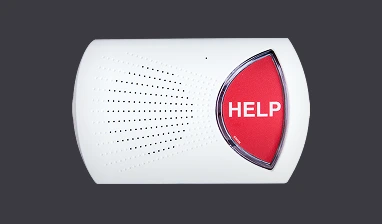
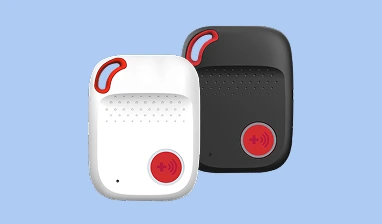
Fall detection began in the wearable devices that already existed as a means to call for help using an alarm button. Automatic fall detection was developed for the original necklace pendants and clip-on medical alert devices, and these were relatively stable parts of the body for sensors and software to detect a sudden downward movement.
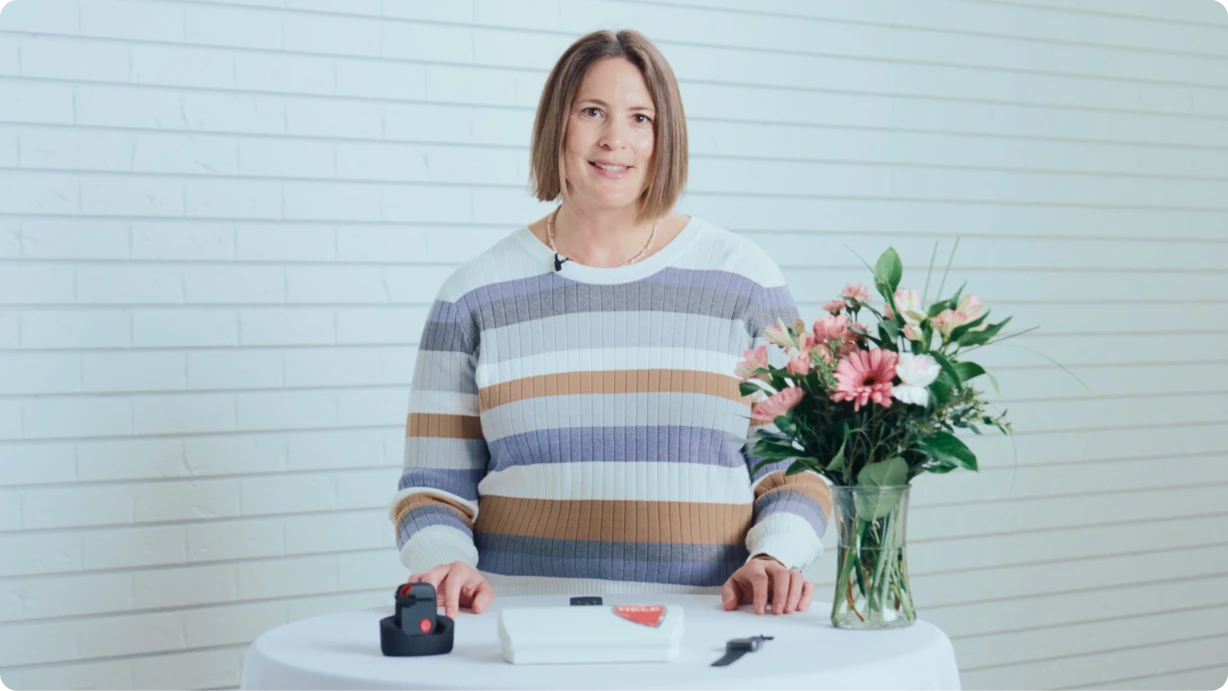
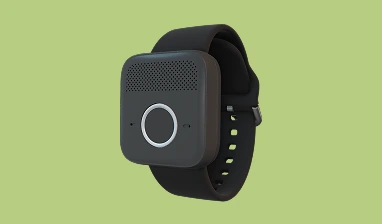
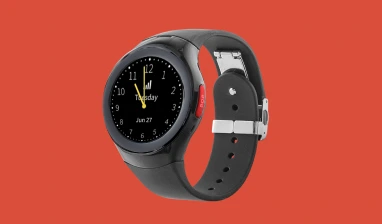
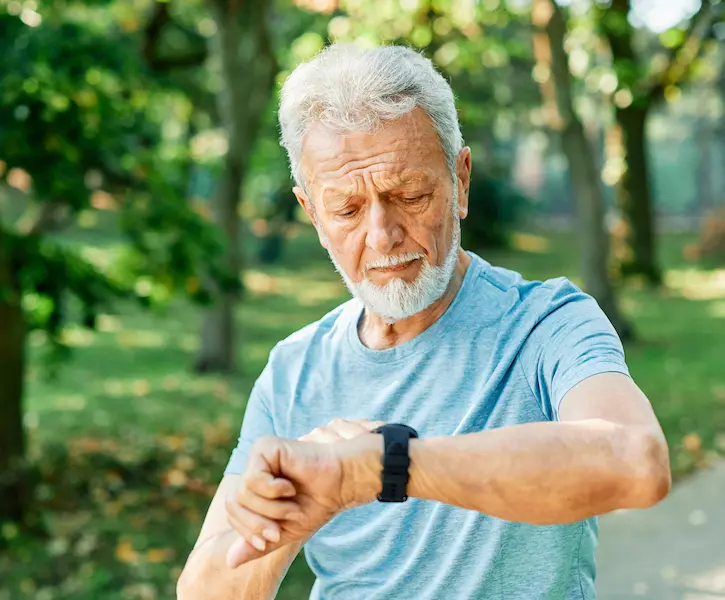
The huge challenge began as wrist-worn devices increased in popularity. Many seniors felt less conspicuous wearing a wristwatch-style device than having a pendant. Also, smartwatches that were an extension of a user’s smartphone became ubiquitous, and naturally developers began to adapt the fall-detection algorithms to the wrist. THAT was a challenge – you couldn’t have chosen a more freely moving part of the body to detect unusual motion. In the beginning, false alarms were common, and a great nuisance to first responders. But the technology continues to improve – our own Bay Alarm Medical SOS Smartwatch uses AI-enhanced software to detect an accidental fall and has become highly rated in the industry.
Automatic fall detection expanded from the pendant to the watch, and now exists in home-installations such as cameras, smart-home sensors and radar-based systems to detect motion and falling. Some of the stationary detection systems installed in elder facilities are the perfect test bed now for the development of AI software that can sense an imminent fall – predicting it by monitoring gait, posture, nighttime movement and changes in sleep or breathing. Undoubtedly these new advances will find their way to the mobile, wearable devices over time.
Game Changing Technology
Automatic fall detection has become closely tied to the trend toward aging in place. More seniors than ever express a desire to remain in their own homes, and their families worry less when a reliable fall-detection system is part of the plan. The technology does not – yet – prevent falls, but it prevents the long, helpless aftermath that has historically made falls so dangerous. When combined with other tools such as medication reminders, health monitoring, home modifications and periodic family check-ins, fall detection helps transform aging from a high-risk undertaking into a more manageable one.
For frail individuals, those recovering from surgery and people with disabilities affecting balance or gait, the psychological comfort may be as important as the physical protection. Knowing that help will be summoned even if they cannot reach a phone changes behavior. Many people become more confident, more willing to move around the home, and less fearful of being alone. The technology, in other words, enlarges daily life rather than limiting it. And as noted above, that business of not preventing falls is being worked on by developers: one day, smart software worn on the wrist or in a purse may be able to anticipate a fall about to happen, and be able to forestall it.
No Just For Seniors
As employers focus more on workplace safety and liability, solo-worker protection is becoming an important growth area. Utility workers climbing poles, delivery drivers walking uneven terrain and maintenance employees working in isolated buildings share a similar vulnerability with older adults: when a fall happens without witnesses, the danger multiplies. Wearable fall detection is becoming part of standard safety protocols, especially cellular pendants and ruggedized smartwatches.
There are emerging applications elsewhere too. Individuals with epilepsy, diabetic neuropathy or other conditions involving sudden collapse find fall detection useful even if the event technically isn’t a “fall.” Outdoor enthusiasts who hike or trail-run alone may employ it as an additional safeguard. And in assisted-living facilities, staff may use fall-detection wearables to complement environmental sensors and ensure a faster, more coordinated response.
By closing the gap between accident and assistance, automatic fall detection can quite literally mean the difference between life and death. Not bad for a miniature device that you pretty much wear and forget.