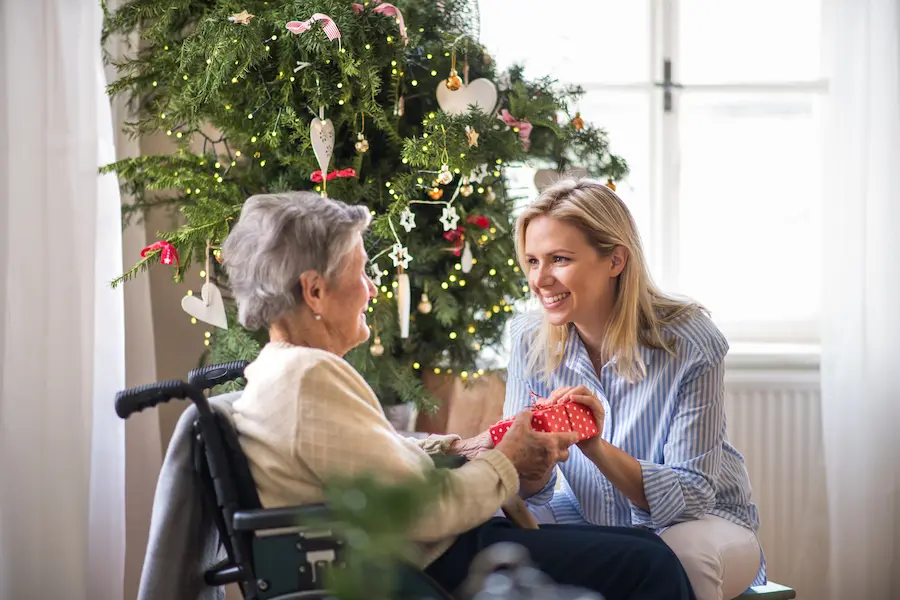







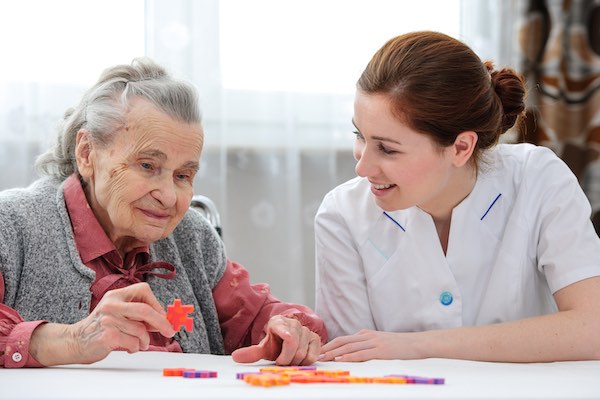

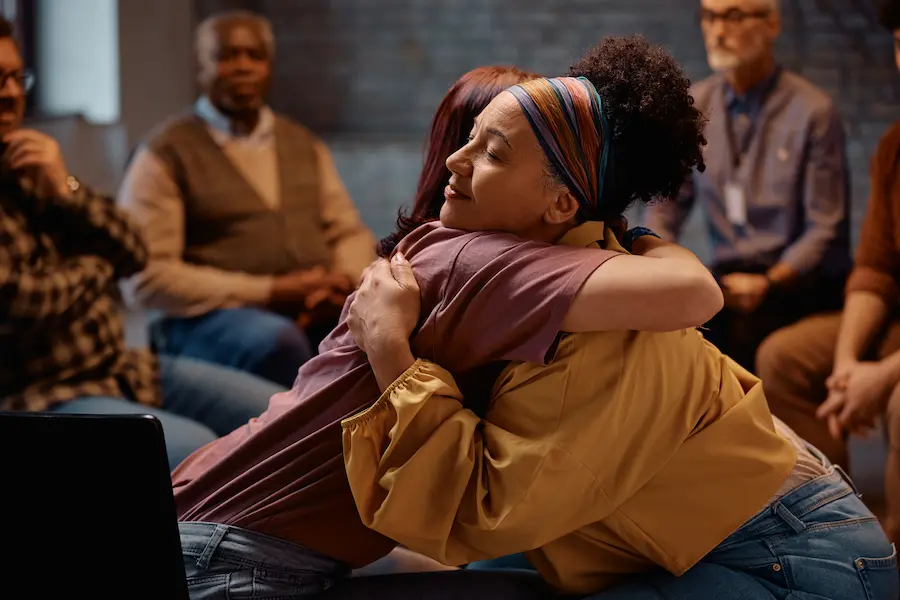
Caring for an aging parent, a spouse with a chronic illness, or a loved one with dementia can be emotionally and physically demanding – and it can become an especially hard burden to shoulder if you feel alone in the task. To help with the task, there are numerous avenues of support, and turning to a support group or resource of some kind should not feel like passing the burden to others; instead, it’s the most sensible strategy to turn one’s voluntary caregiving into a sustainable effort that won’t burn out or diminish before the task is done.
Caregiving support groups can provide emotional support and recognition for something often done behind closed doors, as well as shared experience and practical guidance from others who are also on that path. Friends may sympathize, but they may not fully grasp the ongoing stress, guilt, grief or simple exhaustion that caregivers experience. Support groups create a space where participants don’t need to explain or justify their emotions.
The benefits are practical too, with caregivers swapping tips about navigating healthcare systems, managing medications, coping with behavioral changes in dementia, or balancing work and caregiving duties. Often, listening to others can help to anticipate challenges before they arise, as well as to gain confidence that setbacks are part of the process rather than personal failures.
Here are some general resources to find caregiving relief:
- Family Caregiver Alliance
- National Alliance for Caregiving
- Caregiver Action Network
- Rosalynn Carter Institute for Caregivers
Online Caregiving Support
Especially for a caregiver who can’t easily leave the house or loved one, an online support group offers flexibility, as well as anonymity if desired, and access to a wide range of perspectives. Social media platforms host numerous caregiver communities focused on general caregiving, as well as Alzheimer’s and dementia care, Parkinson’s disease, stroke recovery, and other specific conditions.
These online groups often allow caregivers to ask questions at any hour and receive responses from people in similar situations. Many caregivers may find comfort simply from reading others’ stories even if they don’t want to join in directly.
Nonprofit organizations also host moderated online forums and virtual support meetings. These tend to be more structured and may include trained facilitators who help guide discussion and ensure a respectful environment. Virtual meetings, often held via video conferencing platforms, can feel surprisingly personal and are especially helpful for caregivers who want real-time interaction but lack access to local resources.
Some places to start online may include:
- AgingCare Online Community
- com
- Inspire Health Communities
- PatientsLikeMe
- Alzheimer’s Association Online Community
In-Person Caregiving Support
In-person support groups can offer a more substantial emotional connection, being physically present with others and gaining a deeper sense of being heard and understood. Hospitals, community centers, religious institutions, and senior centers frequently host caregiver support groups.
These groups may be open to all caregivers or tailored to specific needs, such as spousal caregivers, adult children caring for parents, or caregivers of individuals with dementia. Meetings are often led by social workers, nurses, or trained volunteers who can provide both emotional support and credible information.
Local chapters of national organizations are another strong option. Groups affiliated with organizations focused on Alzheimer’s disease, cancer, or chronic illness often combine peer support with educational resources and guest speakers. For caregivers who want both empathy and expert insight, such a local group may be perfect.
Go local with resources such as these:
- Alzheimer’s Association Local Support Groups
- Area Agencies on Aging
- Local senior centers and community centers (check your city’s website)
- Local hospital and health systems with caregiver programs
Shopping Around
The effectiveness of a support group depends largely on how well it aligns with a caregiver’s personal circumstances, personality and stage of caregiving. Some situations may benefit most from emotionally focused discussion, while others may be suited to more structured and educational formats. Exploring multiple options and allowing time to assess comfort and relevance is often the best way to find a sustainable source of support.
Support groups may either be led by healthcare professionals or organized by peers. Professional-led groups can provide clinical insight, evidence-based coping strategies, and structured guidance. Peer-led groups emphasize shared experience and mutual understanding, and perhaps offer more emotional support. Most caregivers can probably find value in participating in both formats.
Some more places to get started sharing the burden include:
- Eldercare Locator
- AARP Caregiving Resources
- Psychology Today Support Group Directory
- National Alliance on Mental Illness – family support
- CancerCare Support Groups
- Multiple Sclerosis Society
- Caregiver Action Network Help Desk
- SAMHSA Mental Health Resources
- Well Spouse Association
- National Institute on Aging Caregiver Resources
- ARCH National Respite Network
- Veterans Affairs Caregiver Support Program