






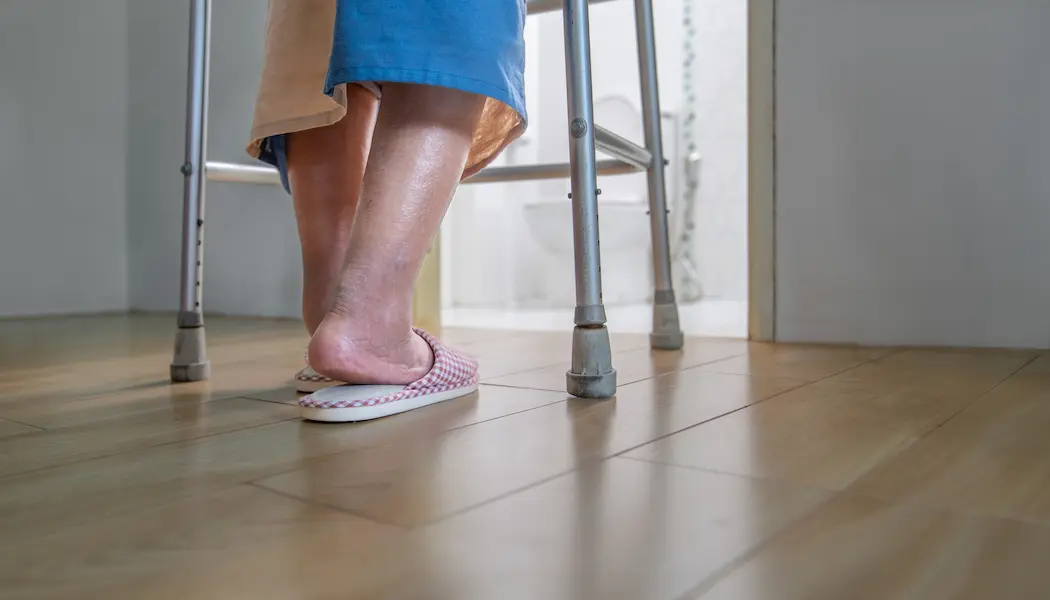
We humans are creatures that stand upright on two legs, and this can make a significant distance to fall, especially as we don’t have the full-body agility that our four-legged friends do. Falls at any age are one of the leading causes of accidental death and, as is well known, the aging elderly body is even less agile, and more prone not only to falling but also to increased damage resulting from a fall.
Falls in the home are among the most common causes of injury, particularly for older adults, although they affect people of all ages. A fall can happen almost anywhere in the home, but certain rooms and transitional spaces account for the most accidents, and here are the hot spots to watch the most.
Danger Zones in the Home
The bathroom consistently ranks as the most dangerous room in the home for falls. Slippery surfaces are the primary culprit, with water, soap, and condensation turning tile and porcelain into low-friction hazards. Getting in and out of the tub or shower requires stepping over a threshold while balancing on one foot, a maneuver that challenges even healthy adults. Toilets can also contribute to falls when users lower themselves or stand up without adequate support, especially if muscle strength or balance is compromised. The combination of hard surfaces, sharp edges and confined space makes bathroom falls particularly likely to result in injury.
Stairs and steps are another leading location for household falls. Both interior staircases and exterior steps pose risks, especially when handrails are loose or poorly positioned, or not there at all. Falls occur not just while climbing or descending, but during transitions at the top or bottom of the stairs, where misjudging the last step is common. Poor lighting, worn treads, clutter, and inconsistent step heights further increase the danger. Carrying items such as laundry or groceries adds an extra layer of risk as line of sight gets blocked and the arms and hands are locked into position, which throws off balance.
Bedrooms are a surprisingly frequent setting for falls, and it seems largely because they’re in use during low-light conditions. Many incidents happen when getting out of bed at night or early in the morning, when vision and balance are not yet fully engaged. Rugs that slide on smooth flooring, cords near the bed, and furniture arranged too tightly can all contribute. And in some cases, dizziness upon standing, or misjudging the distance to a chair or walker also play a role.
Living rooms and family rooms account for a substantial number of falls as well, often due to clutter and furniture layout – the price we pay for that comfortable, lived-in feeling. Electrical cords, coffee tables, footstools, pet toys – and pets – can all create trip hazards, especially those things that don’t have a fixed position in the room. It does little good to wonder, “Who left that there?” when you’re stumbling over it. Living spaces are not designed for movement but rather for being stationary. Changes in flooring, such as transitions from carpet to hardwood, can catch a foot unexpectedly. In homes with pets, sudden movements by animals underfoot are a common but usually unlooked-for cause of falls.
Kitchen falls tend to come from reaching and carrying. Slips can occur from spilled liquids or dropped food, while falls from step stools or chairs happen when people try to access high cabinets. Kitchens involve multitasking, usually on hard flooring surfaces and with their fair share of edges to contend with. Combined with sharp tools, this means that even a minor loss of balance, or a momentary lapse of attention, can have serious consequences.
Entryways, porches, and garages are also notable fall locations, particularly during bad weather. Wet leaves, rain, ice, and uneven thresholds make these transitional spaces hazardous. We tend to be aware of these hazards, but once again transition plays a role: inside the door, shoes, bags or mats that bunch up can easily cause a stumble just as someone is adjusting from outdoor to indoor conditions.
Taken together, these patterns show that most falls occur not in unusual circumstances, but during routine daily activities in familiar spaces. The risk is highest where movement, transitions, and environmental hazards intersect. While we build places for our pets so they can plunk down immediately and lay out, we make all of our buildings for people who are upright, with little thought for any other position.
We need to understand how to make these places safer for people who are losing their upright balance for any reason. Retrofitting a home for aging or frail inhabitants is a common thing in America today. And understanding where falls are most likely to happen in the home is a critical first step toward prevention, guiding attention to better lighting, safer flooring, clearer walkways, and supportive features that can significantly reduce the likelihood of injury.