









If you’re a family caregiver, you already know the toll that caregiving can take on your physical, mental, and emotional health. You might feel exhausted all the time, even though you are sleeping every chance you get. You might get the same cold that your child did, but your cough hangs on for another 3 weeks. You might even find that you’re ashamed that you are angry all the time, and you don’t know how to shake it.
Caregiver burnout, a term used to describe the state of physical, emotional, and mental exhaustion that comes with the stress of caregiving, is a phrase that is often used but is still widely under-diagnosed and under-treated. The main reason caregiver burnout goes unnoticed? The caregiver is too exhausted to add another appointment to their to-do list.
If you are a caregiver, or if you love someone who is a caregiver, it is imperative that you keep your eyes out for signs of caregiver burnout. The good news is that burnout can be treated or even prevented altogether, but only if you understand the signs as well as how to care for yourself first.
Claim Your Caregiver Title
Most family caregivers shy away from that title, either because they feel they are doing what any adult child would do or because they think that their tasks are not enough to be considered a caregiver. You do not have to live with your loved one to be considered a family caregiver, and you certainly do not need to help with daily personal care tasks in order to be considered a family caregiver.
You are a family caregiver if you:
- Live with your older loved one, live near them, or live across the country for them
- Help with any tasks that support their health, safety, and independence, whether that is assisting them to the bathroom, dropping off meals a few times per week, or scheduling their next physician appointment on their behalf
- Are the designated healthcare or financial Power of Attorney, or if you are not, but you still help out with tasks
- Support your family member from far away by ordering grocery delivery, calling the insurance company, or paying bills
Don’t underestimate how your time doing caregiving tasks, whether it is 100 hours a week or 5 hours a week, can affect your health.
Caregiver Burnout Red Flags
Caregiver burnout can happen to any caregiver, no matter how much they are actively participating in caregiving tasks. Remember, caregivers are often juggling the health of themselves, their aging loved ones, and sometimes even their children or grandchildren. If you’re a family caregiver, you are at risk for burnout.
Burnout can approach slowly and sneak up on even the most experienced caregiver. Ensure you and those around you look for red flags that can include:
- Changes in your sleep patterns.
This might mean you suddenly cannot sleep at night or that you wake up at 3:00 AM and cannot get back to bed. This might also mean you are suddenly exhausted and unable to function without a nap after work. Don’t chalk up these sleep changes to hormonal changes or stress; instead, document them and bring them up to your physician, along with your caregiving role.
- Mood changes, especially feeling more angry or resentful than usual.
It is okay to feel angry every once in a while, but if you notice that your relationships are suffering because of your new irritability, it could be a sign of burnout.
- Yelling at your loved one, or feeling so mad at them that you need to leave the room when you are visiting.
Elder abuse is often a side effect of caregiver burnout, when resentment, frustration, and anger take over and turn into verbal or even physical abuse.
- Withdrawing from favorite activities or social functions.
If you always loved going to dinner with your girlfriends and you find yourself declining for the past few months, this could be a sign of burnout.
- Tearfulness, sadness, and deepening depression.
It is sad watching your loved one need additional support, so it is completely normal to feel the weight of that reality. However, if you are unable to find other joys in your daily life, you could be living with depression as a symptom of caregiver burnout.
- Inability to focus.
If your aging loved one is in the hospital, for example, it is completely normal to be a little “off” at work while you are waiting to hear more information. However, if you are unable to focus on work or household tasks regularly and it is affecting your daily life, relationships, or mood, you are likely experiencing a sign of caregiver burnout.
What To Do Next
If you or someone close to you has noticed any of these physical, emotional, or cognitive changes and you are in some type of caregiving role, it’s time to get some help. Burnout can be reversed and treated with the right respite care and professional support.
Talk to your physician and develop a plan to care for yourself so that you can best care for your loved one:
- Schedule regular time when you are not in a caregiver role. This might include a standing Tuesday night yoga class or taking every 3rd weekend off from visiting your loved one at their home. Schedule it like a can’t-miss appointment in your calendar so that you get the time away you need.
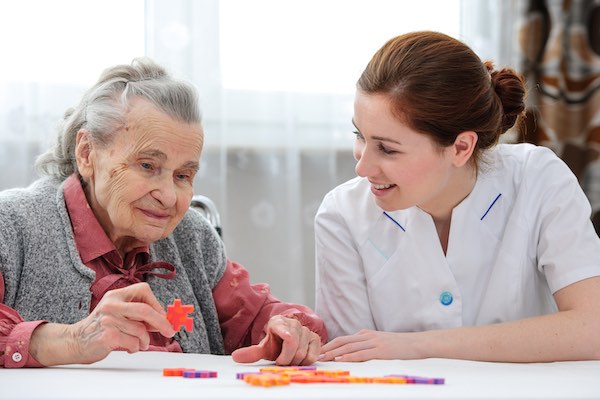
- Consider respite care through a home care agency. Your loved one receives support and companionship from a friendly, professional caregiver for one day a week or a few days per month, so that you can know they are safe while you are catching up with a friend, taking a nap, or doing anything you want.
- Ask for help with specific tasks from friends, family, and neighbors. The more specific you are, the better. You might ask your brother to take your mom to Thursday’s doctor appointment (include the time and address of the medical office in your request) or for your friend to pick up your daughter from dance class so that you can make dinner for your loved one.
- Consider using local senior service resources to take some of the responsibility off of you. Meals on Wheels, for example, is a great service that will deliver hot meals to your loved one each weekday. A Geriatric Care Manageris another local expert who can take some of the organization and planning off your plate, especially if you are managing everything alone.
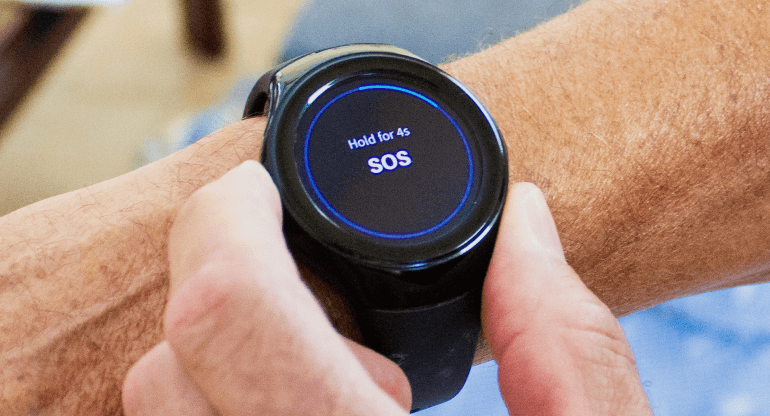
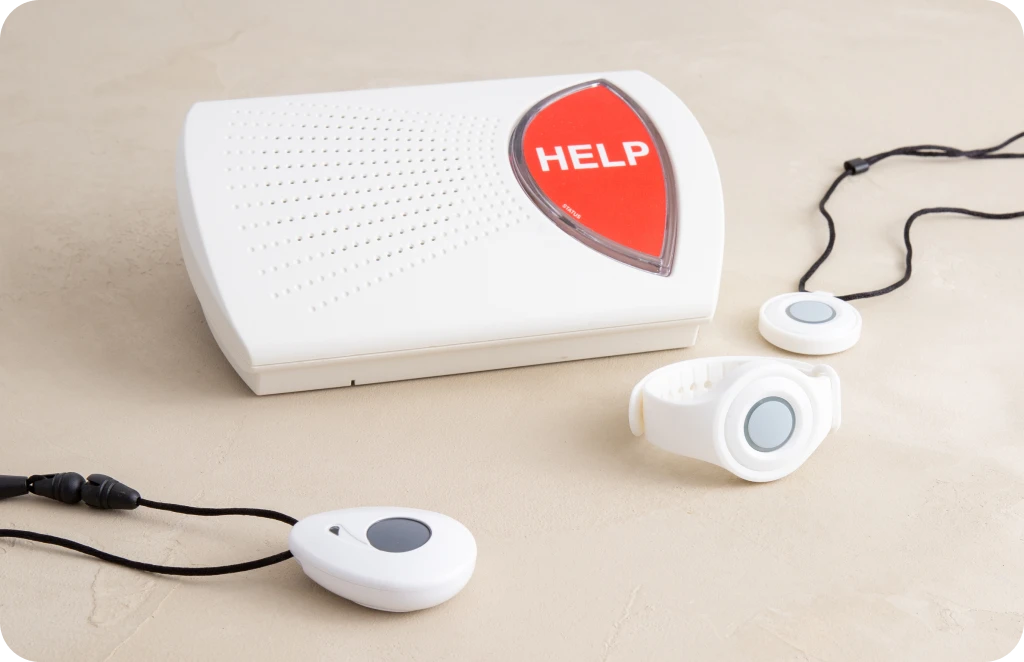
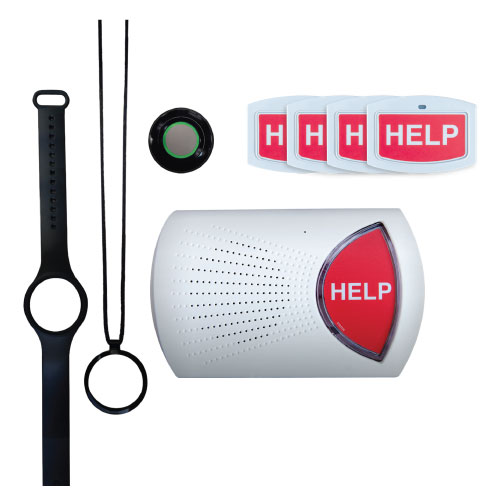
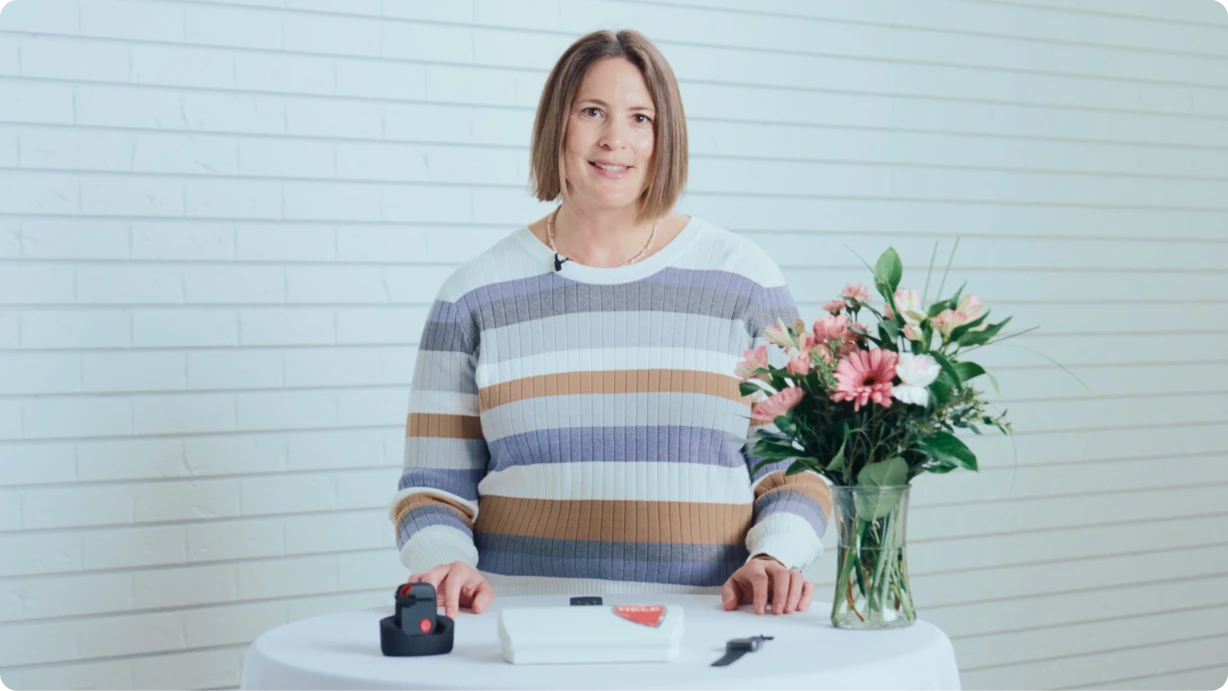
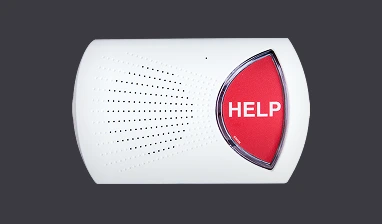
- If anxiety about your loved one’s safety keeps you up at night, consider having them use a medical alert device. This way, you can have peace of mind that they have a way to contact trained operators in case of a fall or medical emergency, and that you’ll be notified as well.
Take care of yourself first, and you’ll feel better equipped to care for your aging loved one.