






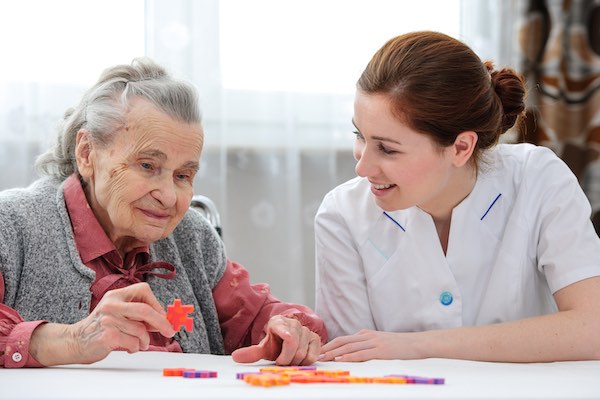


Caregiving is a large feature now of everyday life in the United States. In 2025, an estimated 63 million American adults – practically one in every four – are actively providing ongoing care to a loved one with a medical condition, disability or age-related needs, according to a major national survey by AARP and the National Alliance for Caregiving. This is a 45 percent increase over the previous decade, a reflection of both demographic change and longer life expectancy, as well as an incomplete system of formal long-term care that places mounting pressure on families.
Who Are Today’s Caregivers
Caregiving cuts across all demographic lines, but the same pattern is emerging for everyone, showing a decided sense of strain. Caregivers are increasingly diverse in background and circumstance, spanning generations and often encompassing racial and ethnic minorities disproportionately affected by caregiving burdens.
And while many older adults care for spouses or aging parents, a substantial portion of younger adults are the so-called “sandwich generation” – still working, and caring for generations both above and below their age, juggling work, childcare and eldercare. Nearly 29 percent of family caregivers are simultaneously providing care to both a child and an adult, illustrating the complex roles many bear.
Most caregivers are unpaid family members or friends. Of the tens of millions providing care, the majority receive no formal compensation, with only a relatively small segment receiving limited paid support through programs like Medicaid or the Veterans Administration.
Breadth of Caregiving Work
Caregiving stretches far beyond occasional help or emotional support. Family caregivers often step into roles once assumed by trained professionals. They prepare meals, assist with household management, coordinate transportation to medical appointments, and take on personal care tasks such as bathing, dressing, or feeding. Over 70 percent of caregivers prepare meals or feed their care recipients, and more than half spend six or more hours per day on caregiving activities.
A growing share of caregivers also manage complex medical and nursing tasks. Many administer medications, change dressings, support mobility, or operate medical equipment – duties for which most receive minimal training (one report notes that while over 40 percent are engaged in high-intensity care and medical tasks, only a fraction have been formally trained for these responsibilities).
Beyond direct physical care, caregivers serve as coordinators and advocates. They schedule appointments, monitor evolving health conditions, communicate with healthcare professionals, manage medications and serve as the primary conduit between the medical system and the person receiving care. About 70 percent of caregivers report closely monitoring health conditions and coordinating care, tasks that require diligence and that usually happen behind closed doors, without recognition or compensation.
Recipients of Care
The recipients of caregiving are primarily older adults and people with chronic health conditions or disabilities. Nearly half of care recipients are 75 years of age or older, and many face multifaceted challenges ranging from mobility limitations to cognitive impairments. Alzheimer’s disease and other forms of dementia add layers of complexity and emotional stress to caregiving roles, and this demands from millions of Americans constant supervision, enhanced safety measures and adapting to new ways to communicate.
Children with medical needs or developmental disabilities also constitute a significant portion of care recipients, and their caregivers often balance these responsibilities alongside employment and other family duties. Across these caregiving relationships, core themes persist: the desire to preserve independence for loved ones, to ensure dignity in daily life, and to maintain family connections even in the face of growing demands.
Monitoring and Oversight
Monitoring is a central pillar of caregiving. Caregivers consistently track health symptoms, medication adherence, mood, and functional abilities. They are tasked with identifying subtle changes that might indicate infection, pain, cognitive decline, or treatment side effects. In an age when care recipients often remain at home rather than in institutional settings, this surveillance helps avert crises and reduce hospitalizations.
Modern caregiving frequently includes arranging and attending medical appointments, advocating for appropriate treatment plans, and ensuring that clinical instructions are followed accurately. This level of oversight requires not only time but also emotional resilience and cognitive energy. Again, this silent and continuous labor often goes unrecognized.
Hardships and Costs
The toll of caregiving on those who shoulder it is profound. Emotional strain is widespread: many caregivers report high levels of stress, anxiety, and feelings of isolation as they balance care with employment and family life. Physical health can deteriorate under the weight of constant responsibility, and mental health challenges such as depression and burnout are common.
Financial consequences compound these personal costs. Because most caregiving is unpaid, caregivers absorb expenses out of pocket for medical supplies, transportation, home modifications and other care-related costs. Nearly half of family caregivers experience at least one negative financial impact due to caregiving, with some forced to reduce working hours or leave the workforce entirely.
Independent analyses show the stark economic dimension of caregiving: if unpaid caregiving labor were compensated at market rates, it would amount to hundreds of billions of dollars annually, underscoring the scale of this invisible contribution to the national economy. Many caregivers live with lost wages, diminished retirement savings, and career setbacks – prices exacted without cultural recognition or formal support.
Future of Caregiving
Caregiving in the United States will increase, driven by demographic change, as the population ages. And the usually invisible nature of much caregiving means that families will continue to carry these responsibilities without adequate training, compensation, or emotional support – threatening to overwhelm the voluntary efforts of the populace as a whole.
However, there are resources available to support caregivers, from volunteer and citizen-led initiatives to professional and government-supported programs. For an exhaustive overview, see our guide to Support Groups for Caregivers.
Despite the deep personal and financial costs, caregivers find meaning and fulfillment in their roles, cherishing the opportunity to care for loved ones. But meaningfulness doesn’t eliminate strain and cost. The rise of support resources for non-professional caregivers indicates that the American people will continue to find ways to help each other. The more that the burden of caregiving is brought to light and made known in the culture, the more the answers will appear.