







Managing high blood pressure starts with everyday habits. While medication may be necessary for some people, lifestyle choices play a foundational role in both preventing hypertension and keeping it under control. Maintaining a healthy weight, quitting smoking, staying physically active, managing stress, and following a balanced diet all work together to support healthier blood pressure levels.
Diet, in particular, has a powerful influence. Certain foods naturally help lower blood pressure because they contain heart-healthy nutrients such as potassium, magnesium, calcium, fiber, antioxidants, healthy fats, and anti-inflammatory compounds. These nutrients support blood vessel function, reduce inflammation, and help the body regulate fluid balance, all of which affect blood pressure.

The same principles apply to beverages. Beyond simply quenching thirst, what you drink can either support or undermine heart health. Some morning drinks, in particular, can provide a refreshing start to the day while also helping to lower blood pressure. Many of these options are easy to find at grocery stores, farmers’ markets, or even convenience stores.
That said, it’s important to be mindful of sugar content. Even natural sugars found in fruit, vegetables, and milk can add up if consumed in excess. Drinks with added sugars—such as sodas, energy drinks, sweetened teas, and flavored coffees—are especially problematic, as they are associated with higher blood pressure, weight gain, and increased risk of heart disease.

Understanding High Blood Pressure
High blood pressure, also known as hypertension, occurs when the force of blood pushing against the walls of the arteries remains consistently too high. Often called the “silent killer,” hypertension typically causes no noticeable symptoms, yet it can quietly damage blood vessels and vital organs over time. If left unmanaged, it significantly increases the risk of heart attack, stroke, kidney disease, and vision loss.
Hypertension develops due to a combination of factors. Genetics can play a role, but lifestyle choices such as diet, physical inactivity, smoking, excessive alcohol use, and chronic stress are major contributors. Age, race, gender, and underlying medical conditions can also affect risk.
Blood pressure is measured using two numbers. The systolic number (top) reflects the pressure when the heart beats, while the diastolic number (bottom) measures pressure when the heart rests between beats. A reading consistently above 120/80 mmHg may indicate elevated blood pressure or hypertension, depending on the exact values and individual health factors.
Tips to Prevent or Manage High Blood Pressure
- Focus on whole, minimally processed foods such as fruits, vegetables, whole grains, lean proteins, and healthy fats.
- Cook more meals at home to better control sodium and portion sizes.
- Limit—and when possible, eliminate—highly processed and packaged foods, which are often loaded with sodium.
- Flavor foods with herbs, spices, citrus, garlic, and vinegar instead of salt.
- Read nutrition labels carefully and choose lower-sodium options whenever available.
Drinks That May Help Lower Blood Pressure
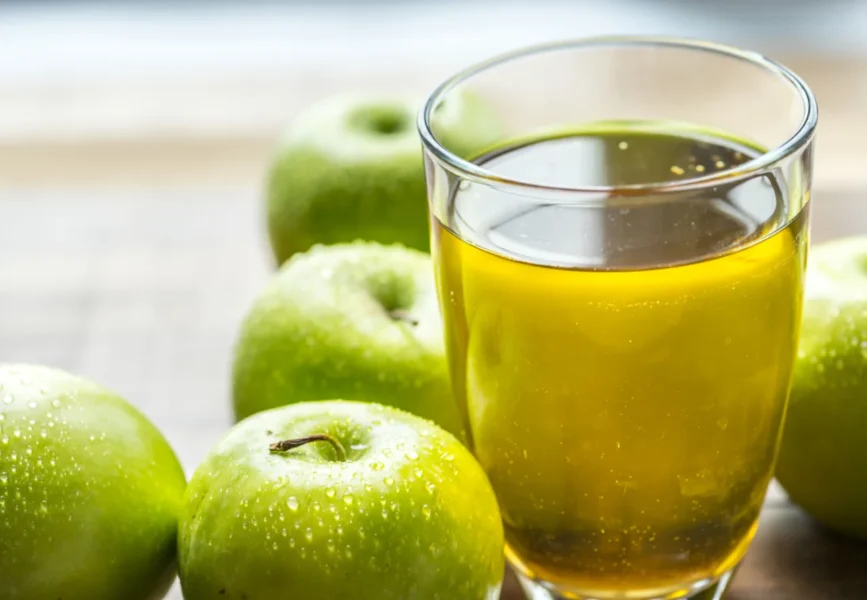
Apple Juice
Apple juice can be beneficial when consumed in moderation. Apples are rich in antioxidants and polyphenols, compounds that help reduce inflammation and improve cholesterol levels, indirectly supporting healthier blood pressure. For the greatest benefit, choose unsweetened apple juice or “cloudy” apple juice or cider, which retain more of these protective compounds than clear, filtered varieties.
Beet Juice
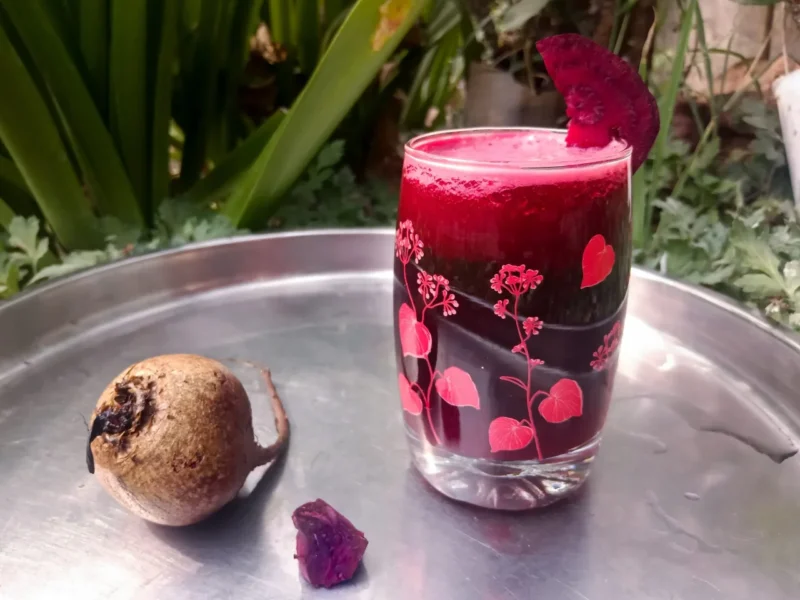
Beet juice is one of the most well-studied beverages for blood pressure support. Beets are high in dietary nitrates, which the body converts into nitric oxide—a compound that helps relax and widen blood vessels, improving blood flow and lowering blood pressure. Beet juice can be made at home by blending fresh beets or purchased pre-made for convenience.
Low-Fat or Fat-Free Milk
Milk provides key minerals—potassium, calcium, and magnesium—that play an important role in regulating blood pressure. Research suggests that low-fat or fat-free milk may help lower blood pressure in adults when consumed as part of a balanced diet. Whole milk can also have health benefits, particularly for individuals who need extra calories or are trying to maintain weight, but portion size remains important.
Pomegranate Juice
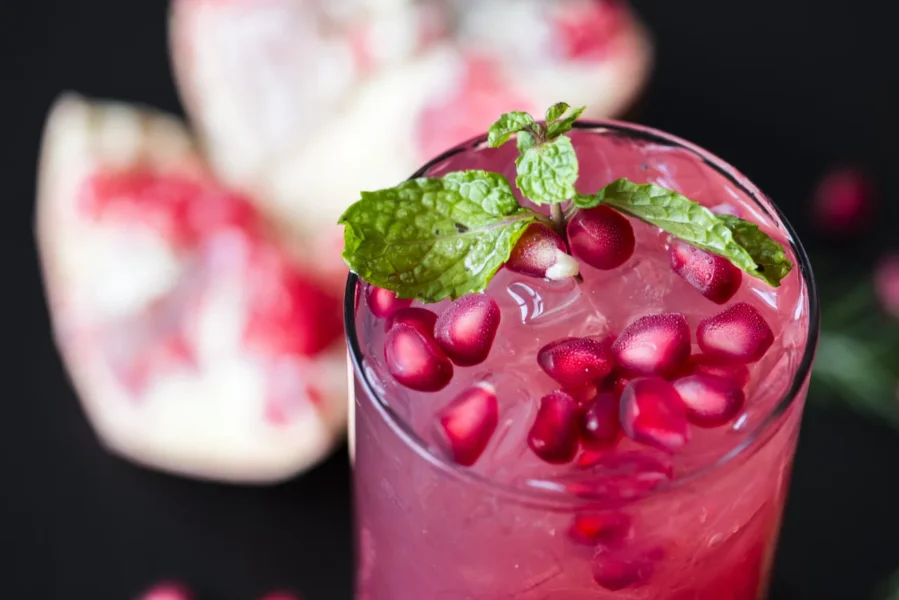
Pomegranate juice is rich in antioxidants, potassium, and fiber, all of which support heart health. Some studies suggest that regular consumption may help lower systolic blood pressure. To avoid excess sugar, choose 100% pomegranate juice with no added sweeteners and keep servings moderate.
Water
Water remains the most essential beverage for overall health. Staying well hydrated helps the body maintain proper blood volume and circulation, which can help normalize blood pressure—especially if dehydration is contributing to temporary increases. While water alone won’t cure hypertension, it supports nearly every bodily function involved in blood pressure regulation.
Beverages to Avoid with High Blood Pressure
- Alcohol: Drinking more than one alcoholic beverage per day for women or two per day for men can raise blood pressure and reduce the effectiveness of blood pressure medications.
• Salt-Rich Drinks: Some beverages, such as certain tomato juices, vegetable cocktails, and even diet sodas, can contain surprisingly high amounts of sodium, which can drive blood pressure higher.
• Caffeine: Caffeine can cause a temporary spike in blood pressure. While its long-term effects are still debated, people with hypertension may benefit from monitoring their intake and observing how their body responds.
Managing high blood pressure often requires a combination of dietary changes, regular physical activity, stress management, and medical guidance. For those who stay active—especially outdoors—using supportive tools such as a medical alert smartwatch can provide peace of mind in case of a slip or fall. While lifestyle changes may not eliminate the need for medication for everyone, they can significantly improve overall cardiovascular health.
Making smarter drink choices is one of the simplest ways to help manage or even prevent hypertension and may reduce reliance on medication over time. Always consult your healthcare provider before making significant dietary changes or adding new beverages to your routine, particularly if you take medications, as some drinks—such as citrus-based juices—can interfere with drug absorption or effectiveness.